

Felt Fandom
Today we have a guest issue from Romain Boujo, an independent creative director working at the intersection of strategy, design and writing (in other words, a true kindred spirit!) Alongside client work, he also publishes his own newsletter, Enthusiasm Journal, which is focused on design, fashion, and visual culture. Romain’s treatise on pennants is a perfect companion to all the World Cup and Knicks excitement over the past few weeks.
As a French millennial kid obsessed with the NBA who grew into a vintage design nerd, you can bet my love for pennant flags is over the top. The mere sight of an arched college block font on a tee gives me butterflies, not to mention a whole felt artifact whose only reason to exist is to celebrate something. A whole youth shaped by American soft power might have helped, but I feel like sports memorabilia, from baseball cards to jersey design, is a perfect playground for type, illustration, and vintage texture. So naturally, I wanted to learn more.


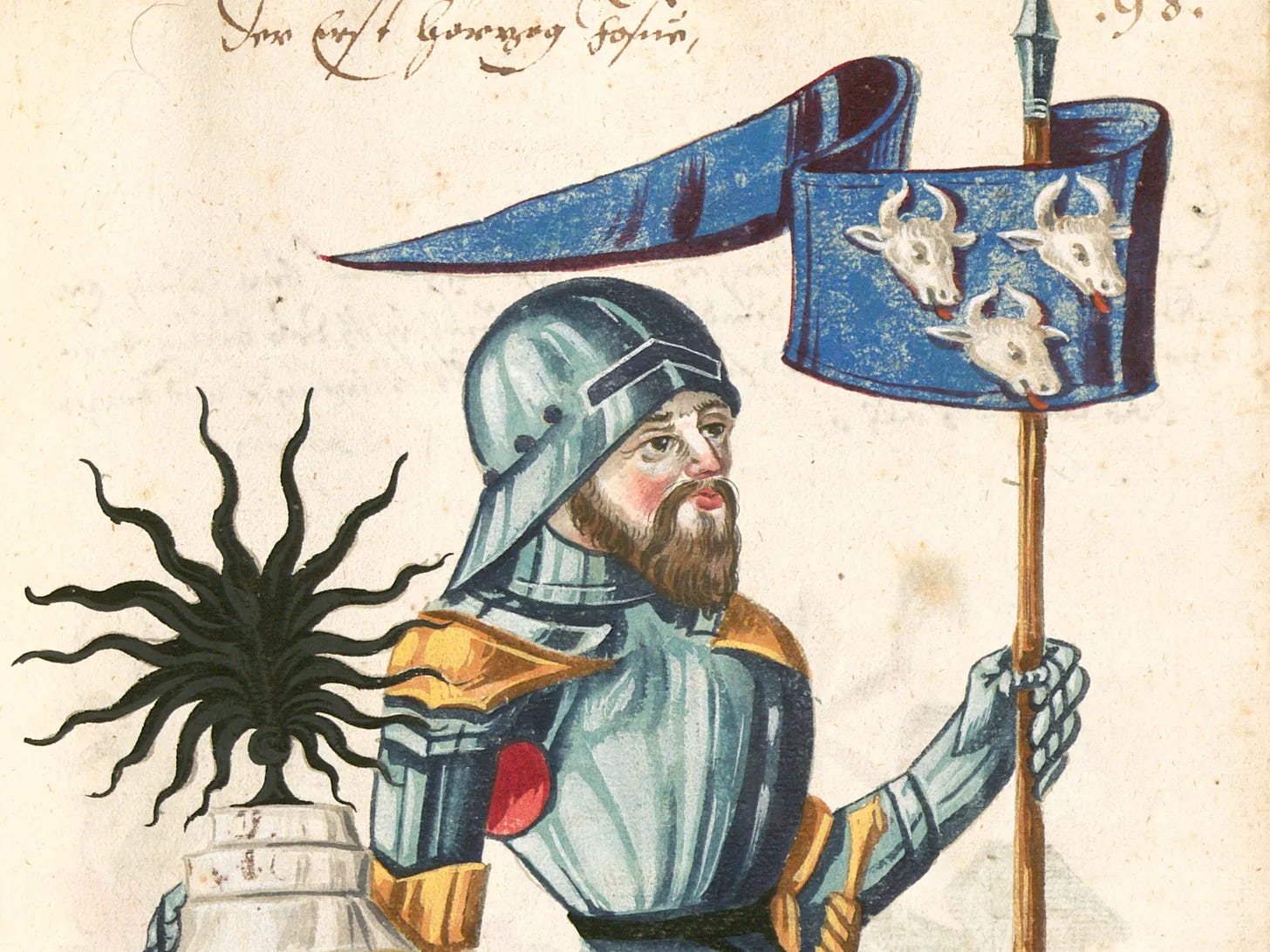
While we usually associate them with maritime flags due to their similar shape, there is another, older usage for pennants that seems closer to their modern identifying function. And it really comes down to that most human of habits: war. Attached to the top of lances during the European Middle Ages, these narrow triangular banners bore the emblems of knights and noble families, as a distinctive sign. While decorative, they were also practical signals that made identification during battles easier, avoiding unfortunate friendly-skewering. This tradition carried over to the seas, where ships had their pennants too, sometimes in the form of huge variants flying from the tops of masts, known as streamers.
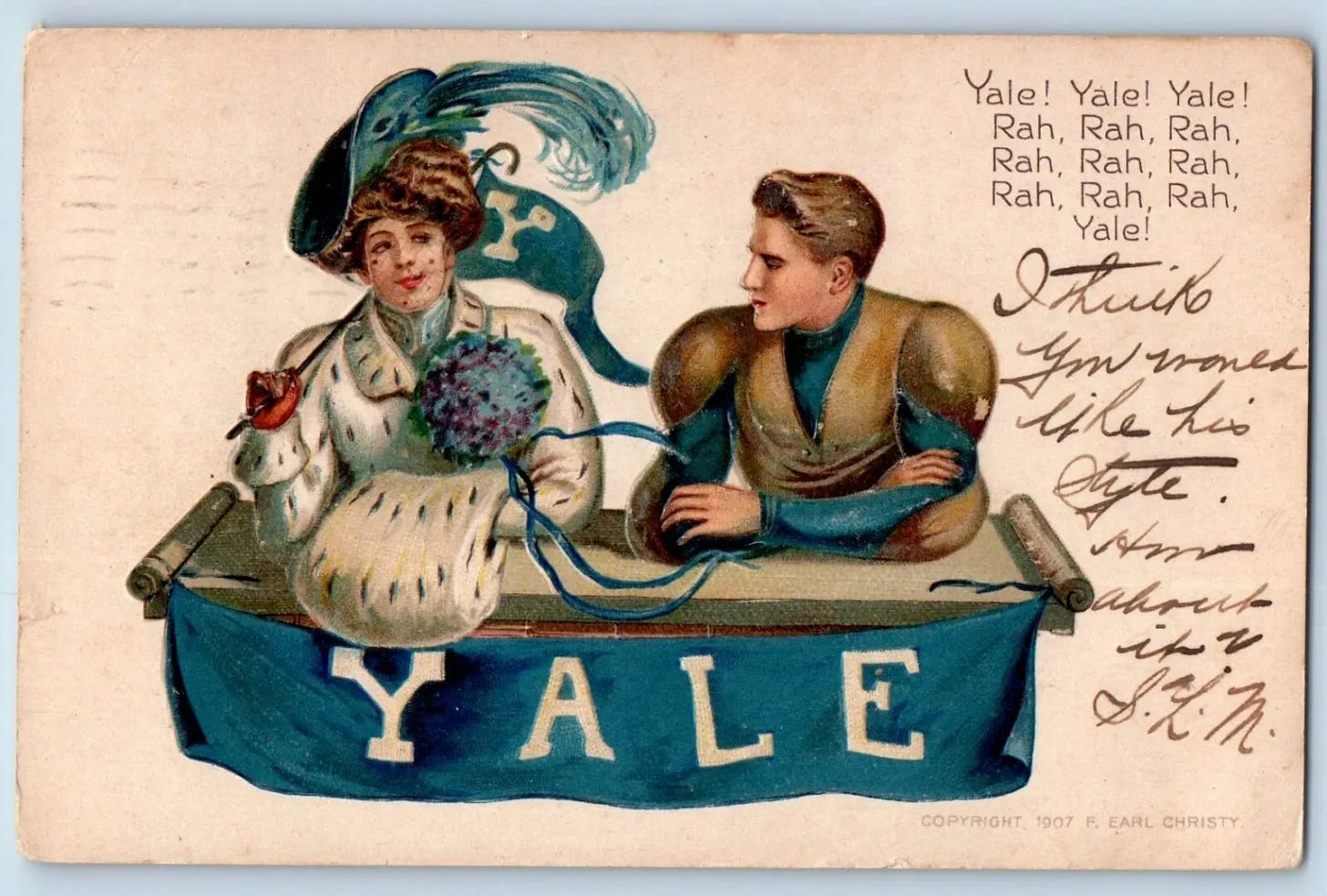
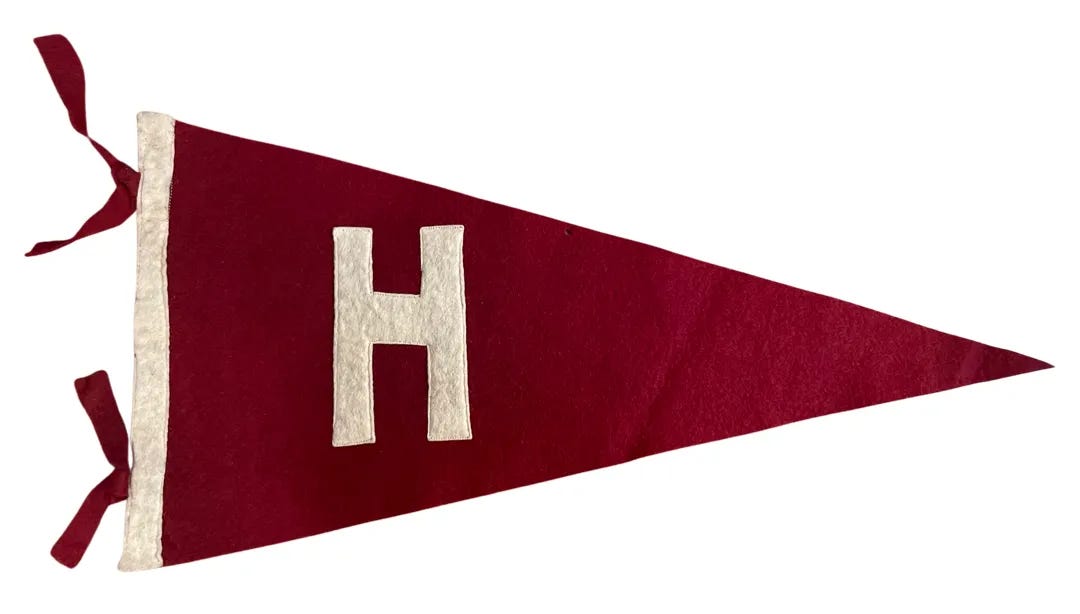
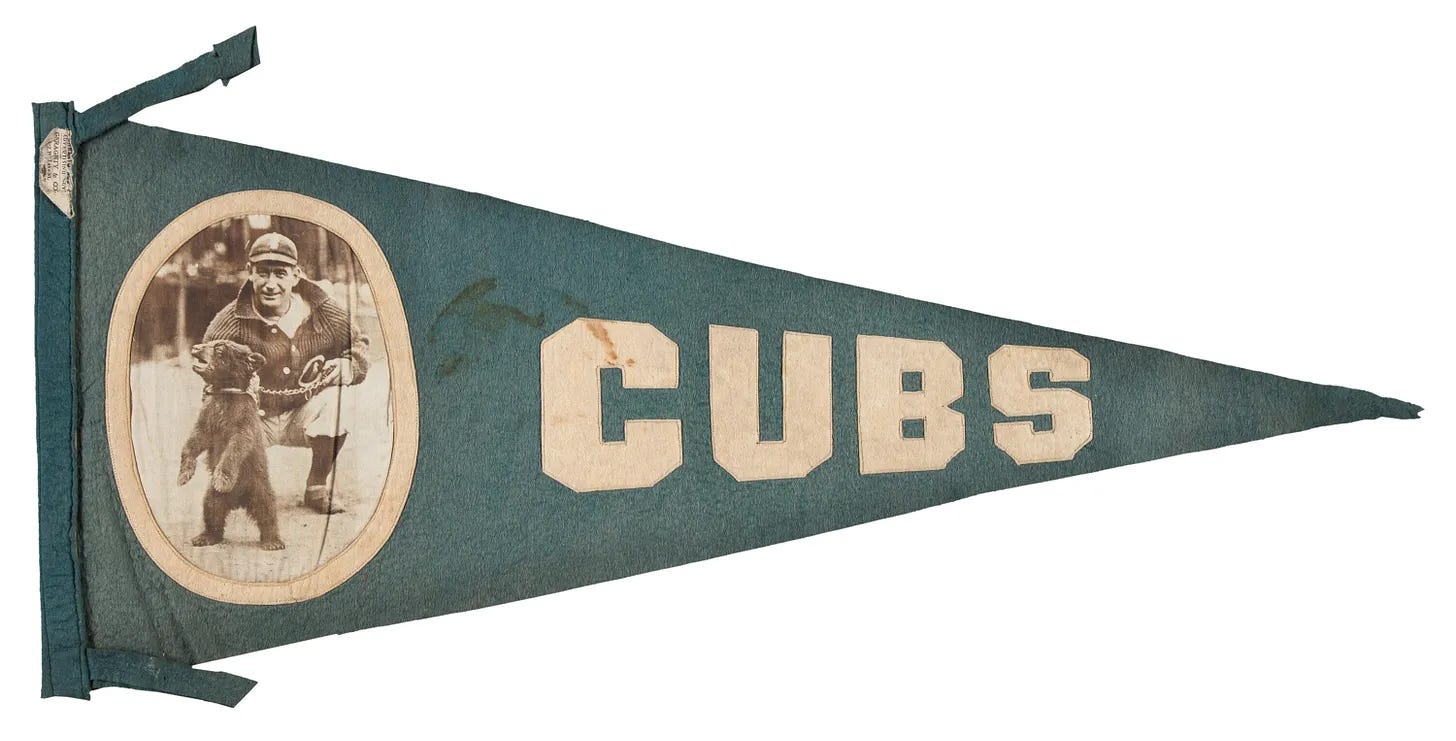
Medieval-core might be trendy, but I was more interested in learning that the modern pennant actually owes its existence to football. Around 1900, at a time when professional baseball was the national sport, football had such a boom across campuses that people started paying attention to collegiate sports. With varsity hoodies not yet part of the dress code, little flags were the best way to show support at the Harvard vs. Yale football game. As this interest in sports rippled through many colleges and universities outside of the Ivy League, the first manufactured pennant flags appeared. Although they were minimalistic due to their handmade nature—often consisting of just a big felt initial sewn onto the flag—the modern pennant DNA was already there.
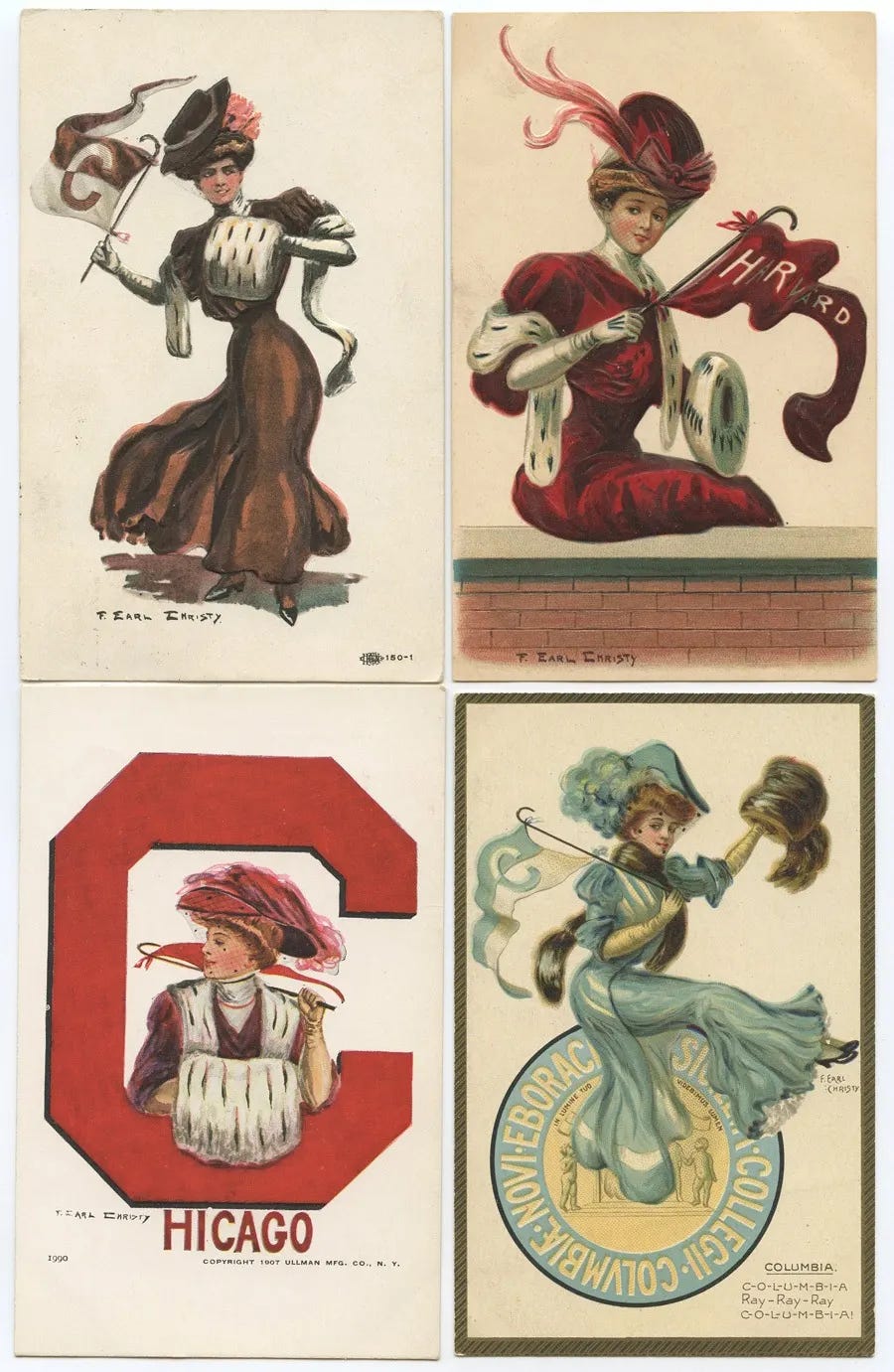
The combination of sewing machines, screen-printing, and rising baseball popularity among kids gave the pennant flag its golden era in the first half of the century. However, around 1960, the four pro sports leagues, aware of their power, started licensing their merchandising. Most early manufacturers, who had bloomed in college towns, couldn’t cope with the volume and new requirements, and simply had to close. Yay, capitalism.
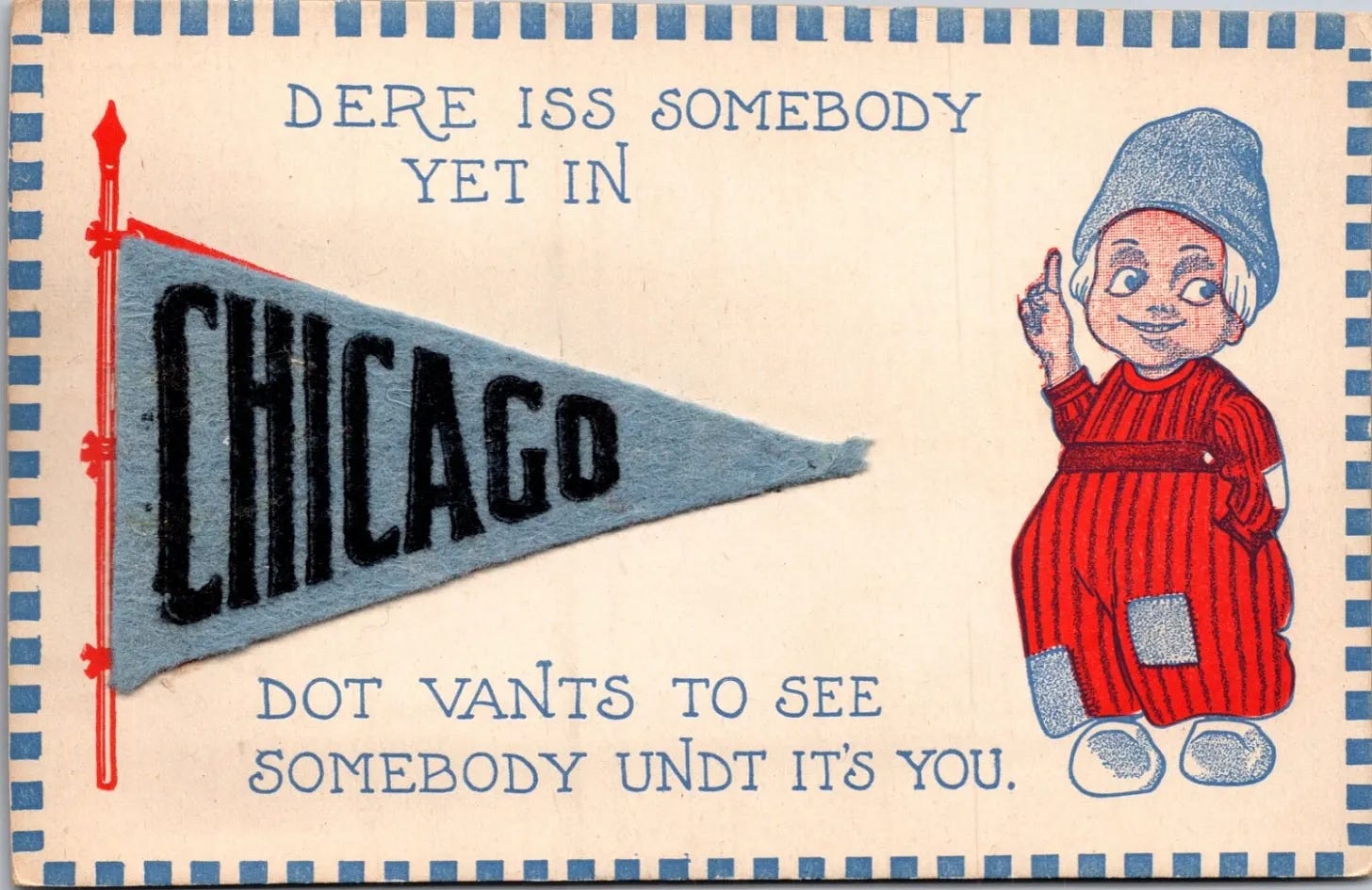
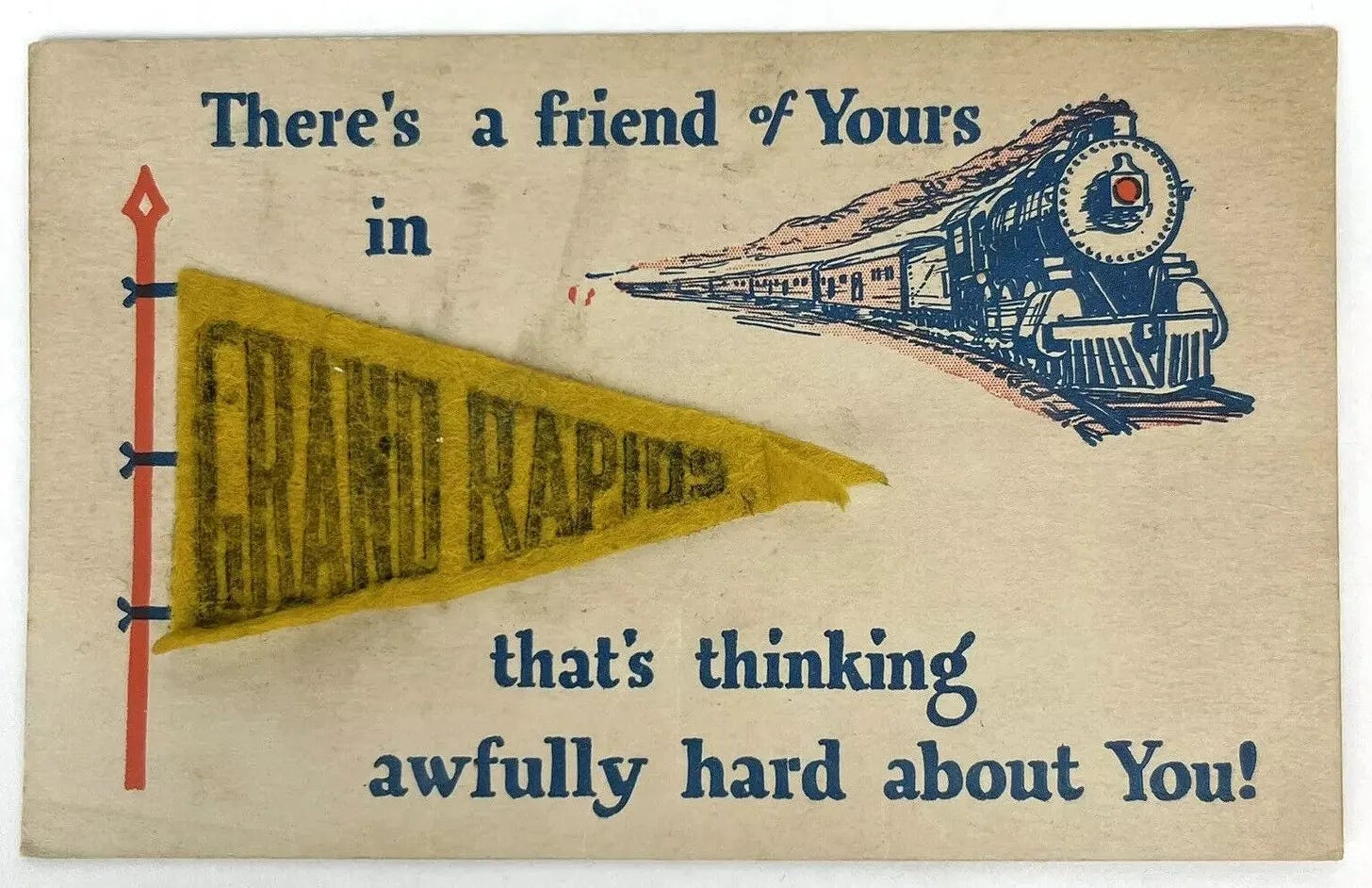
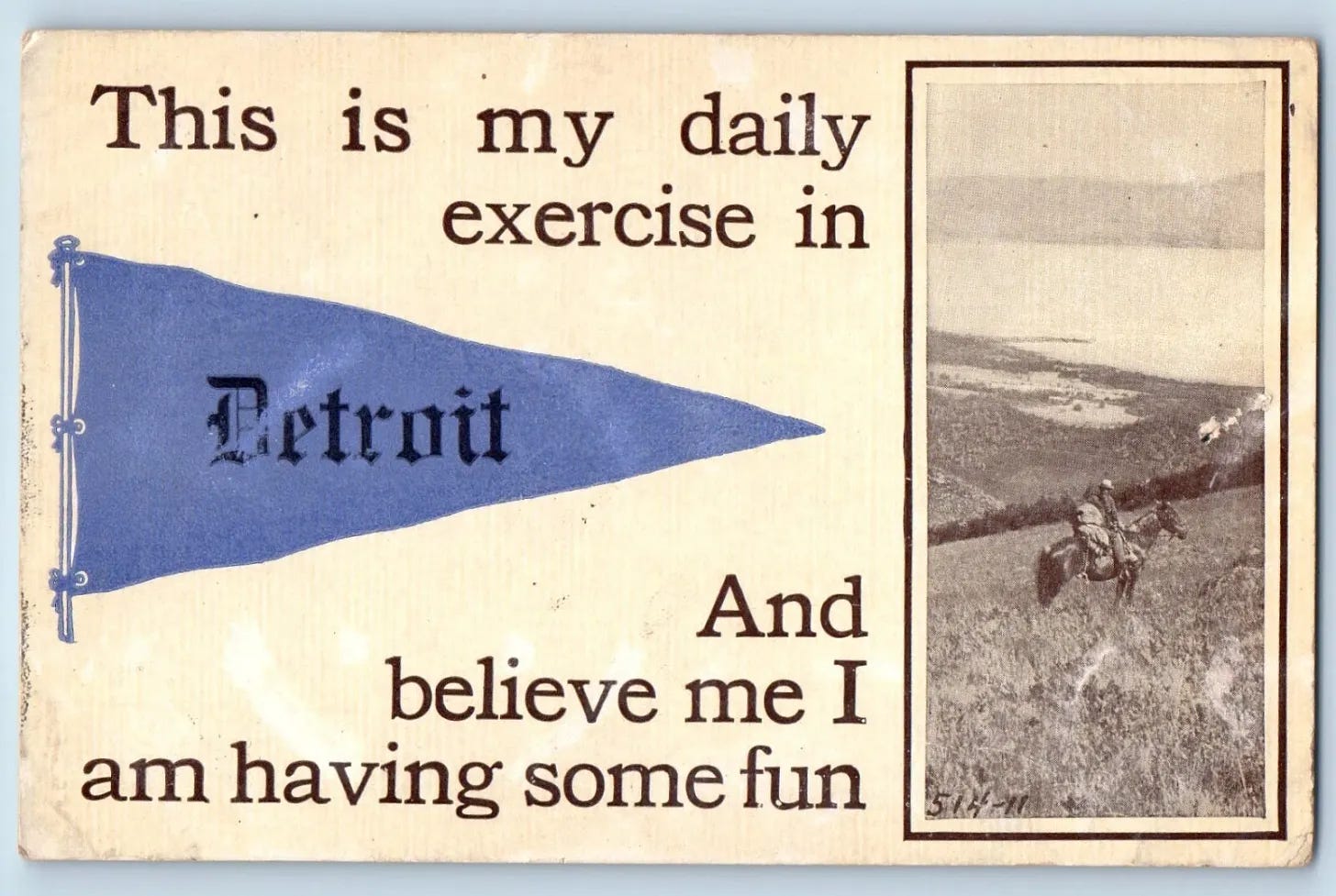
To end on a brighter note, I discovered something even cuter—I know, hard to believe—than a felt flag: a tinier felt flag. Pennants became so popular that they even found their way onto postcards in the early 1900s. Miniature pennants, often stamped with a city name, were pasted on the cards to boost their appeal. Now that’s souvenir-maxxing.
Romain’s featured archive is Das Programm. Covering Braun’s design history under the direction of Dieter Rams, it documents iconic designs in the purest ‘less but better’ tradition, but also rarer packaging, ephemera, and artifacts from the 1955–1995 era.


Sources: Pennant Fever, Melissa Dettloff
 | A guest post by
|
Love the tiny felt flag!