

Old School New School
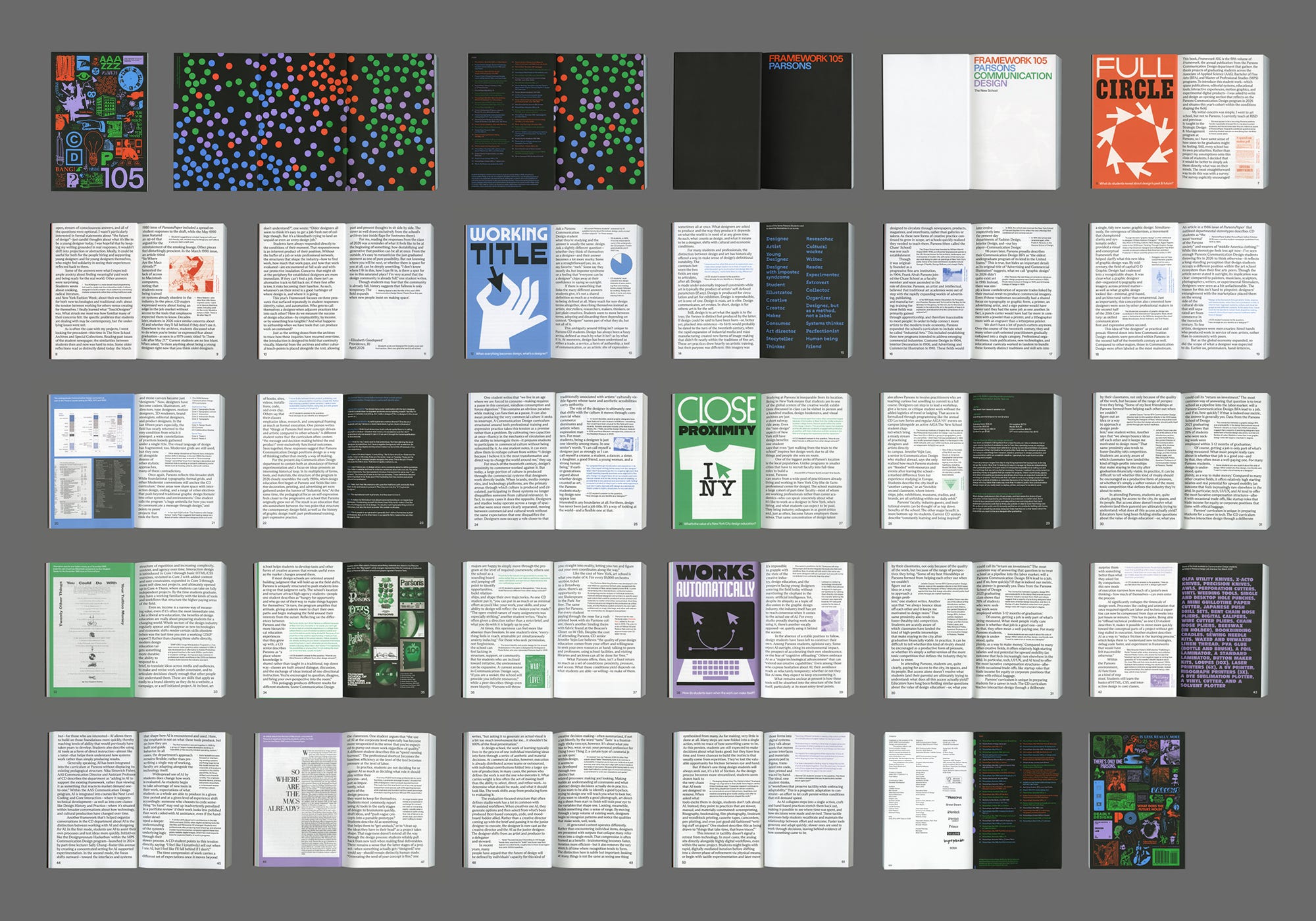
I’m often asked how my work as a designer, writer, archivist, and educator fit together. Unfortunately, I have a lousy answer: they mostly don’t. Sure, these pursuits feed off each other at times—for example, past Casual Archivist issues on Plexus and Esquire grew out of research for No Man’s Land and Minx—but most of the time the intertwining happens in a subtle way only I see. Very occasionally though, the stars align and I find a way to bring these interests together into a single outcome. Most recently, that came in the form of my work designing, researching, and writing for Framework 105, an annual publication created by Parsons’ Communication Design department.
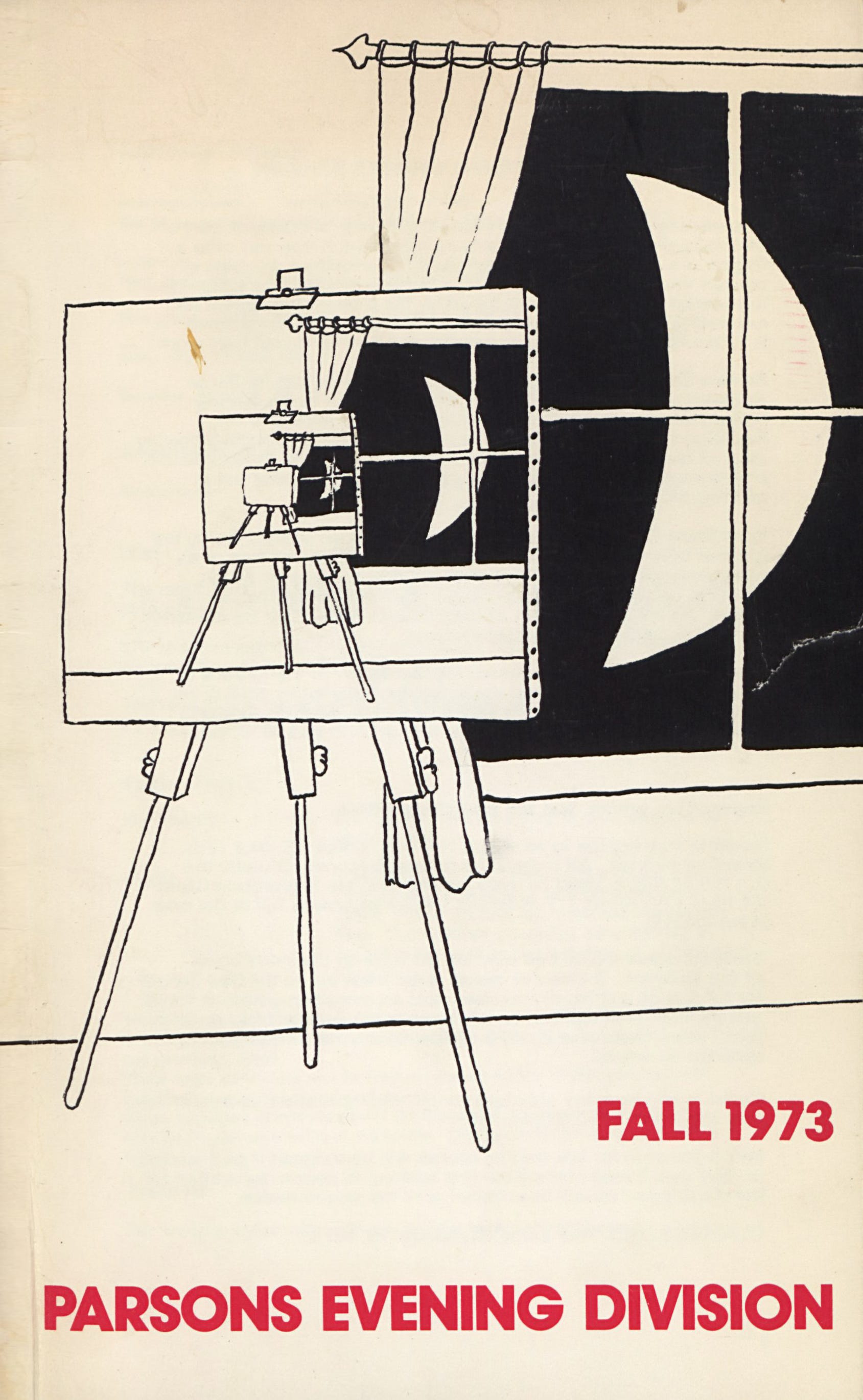
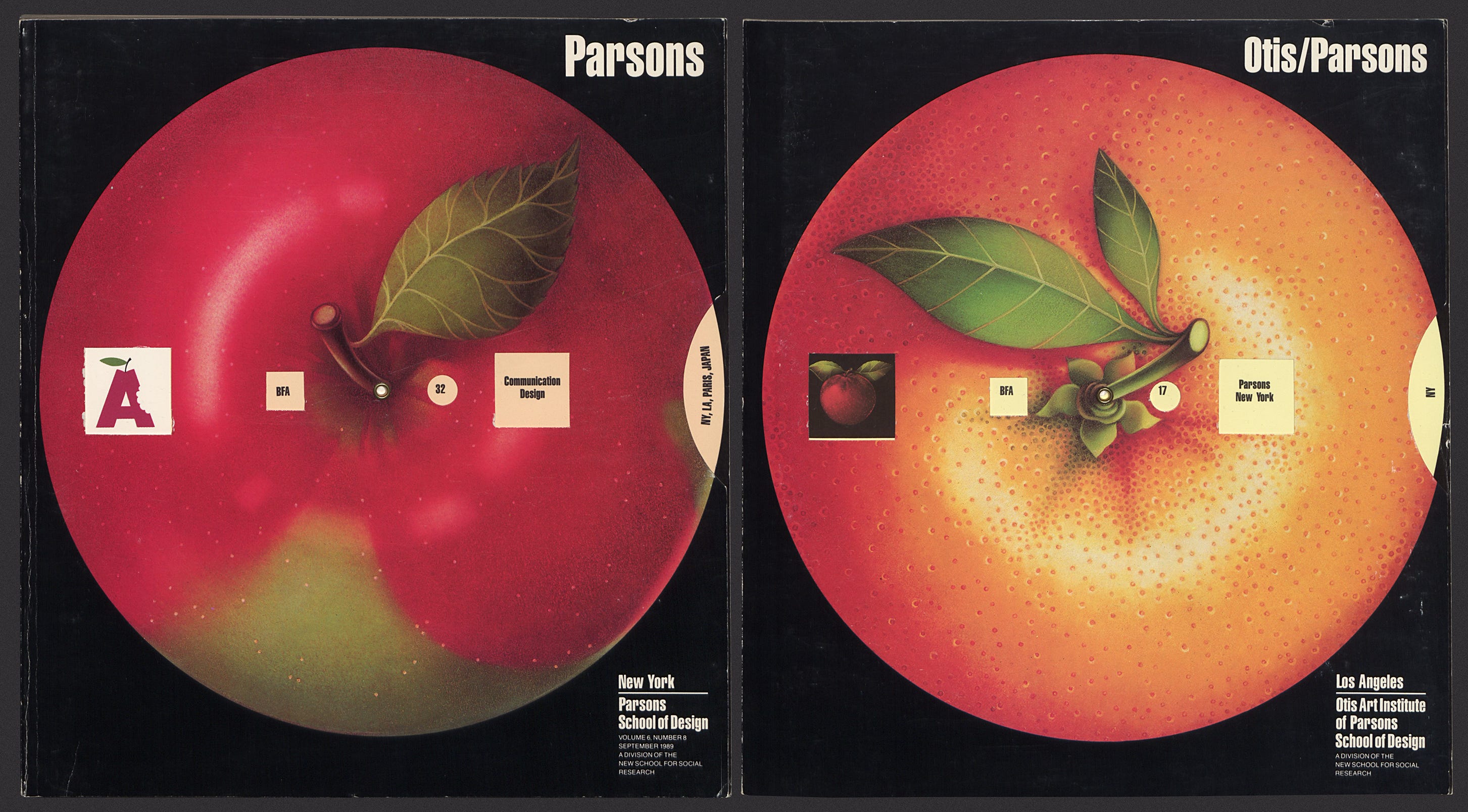
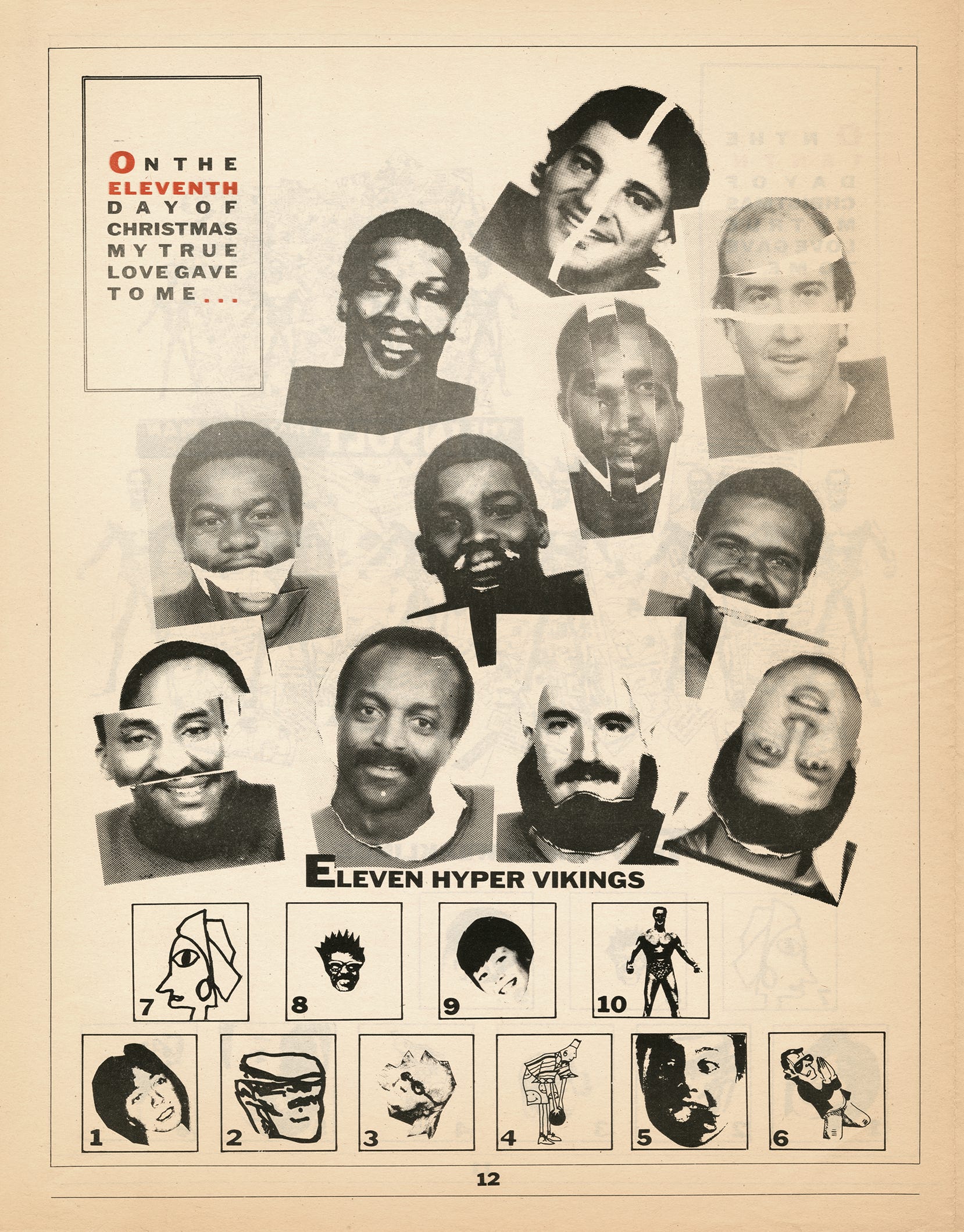
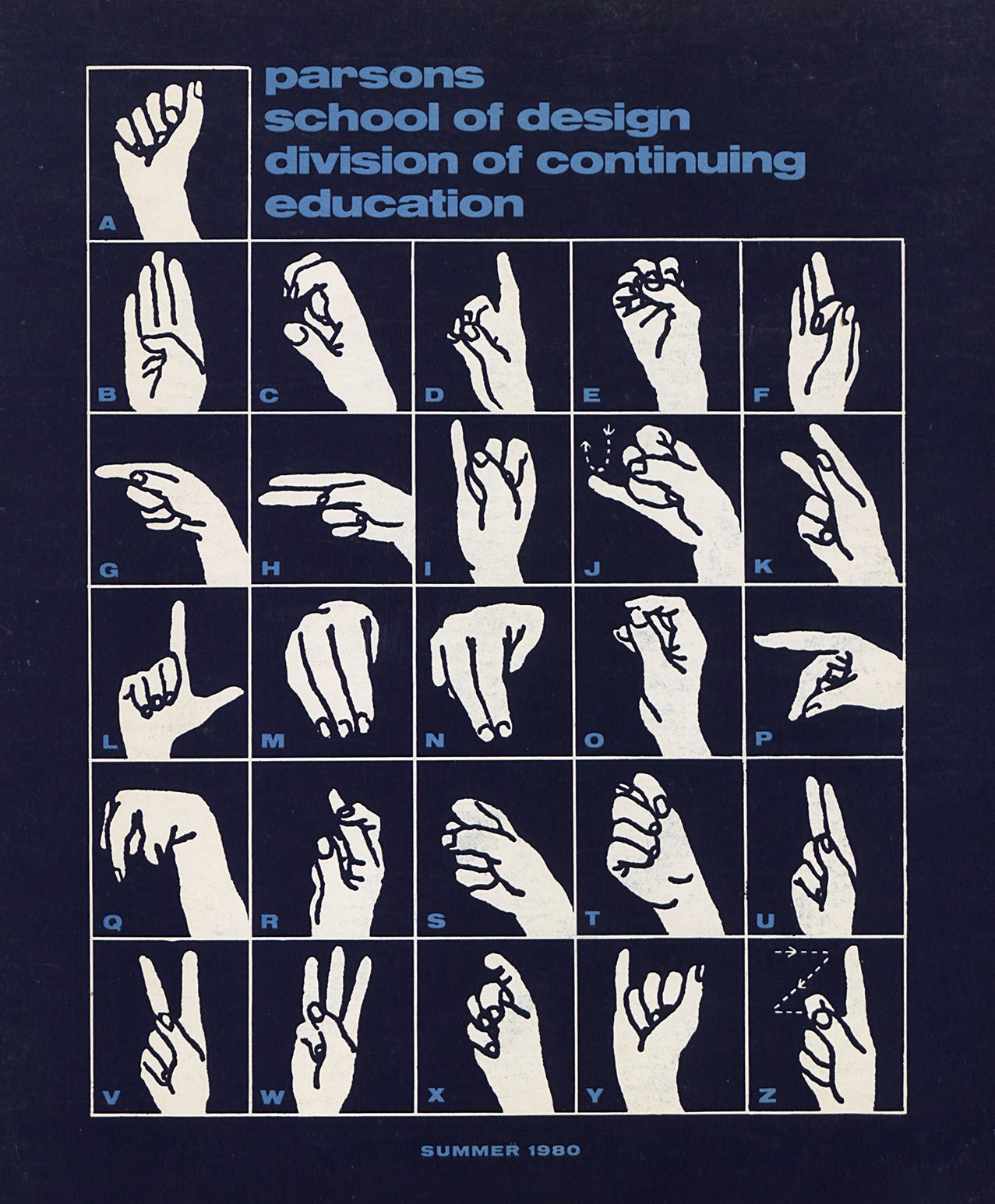
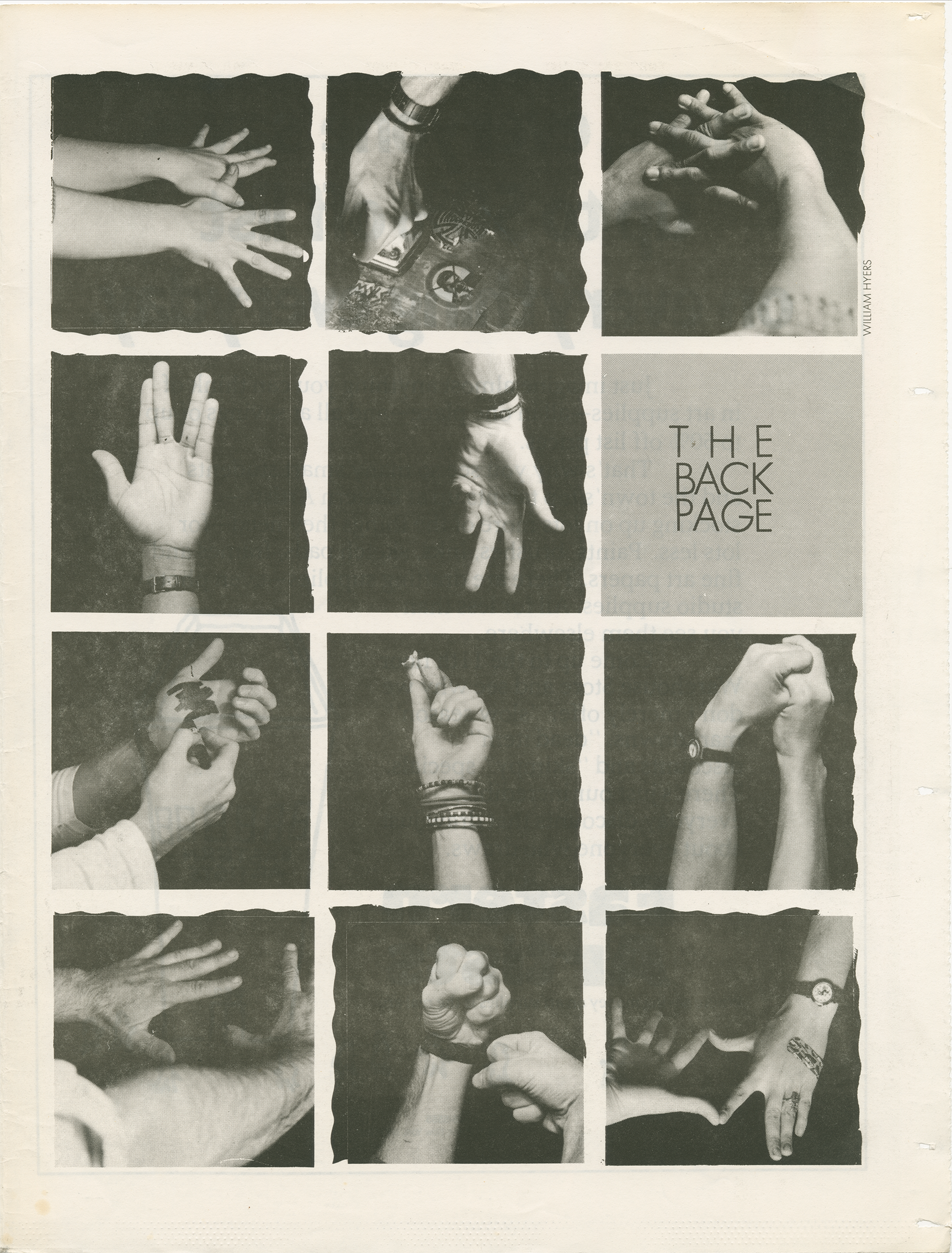
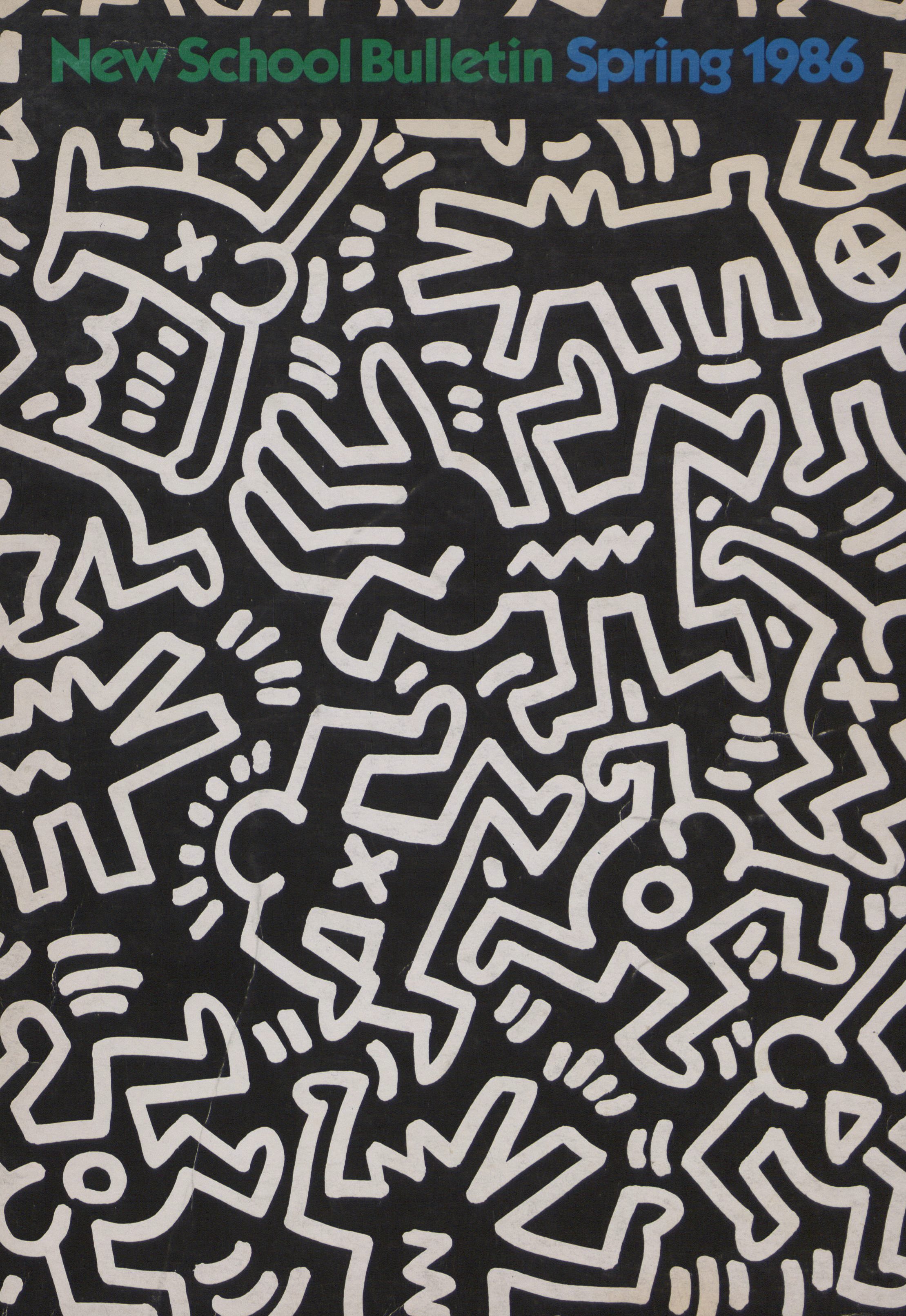
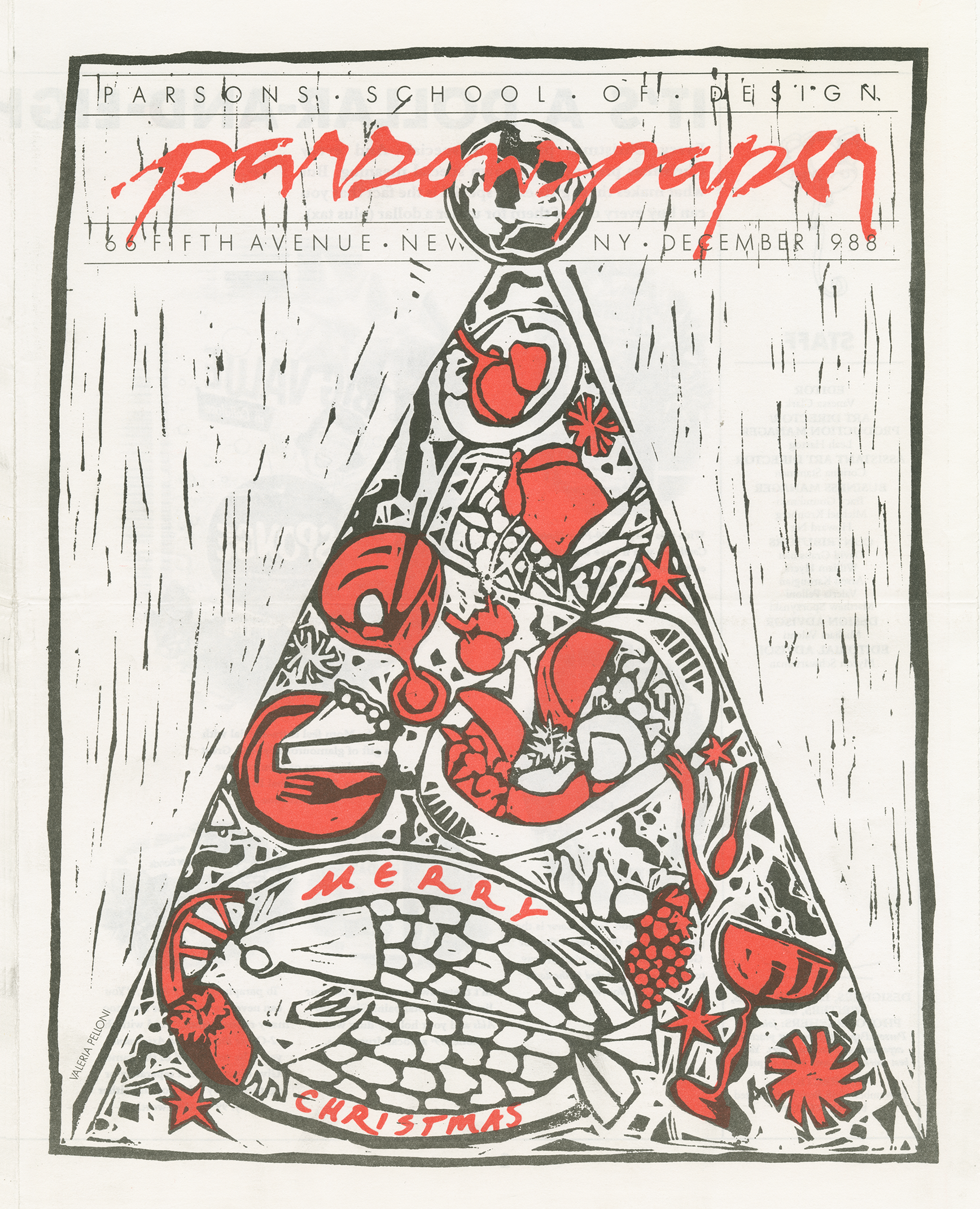
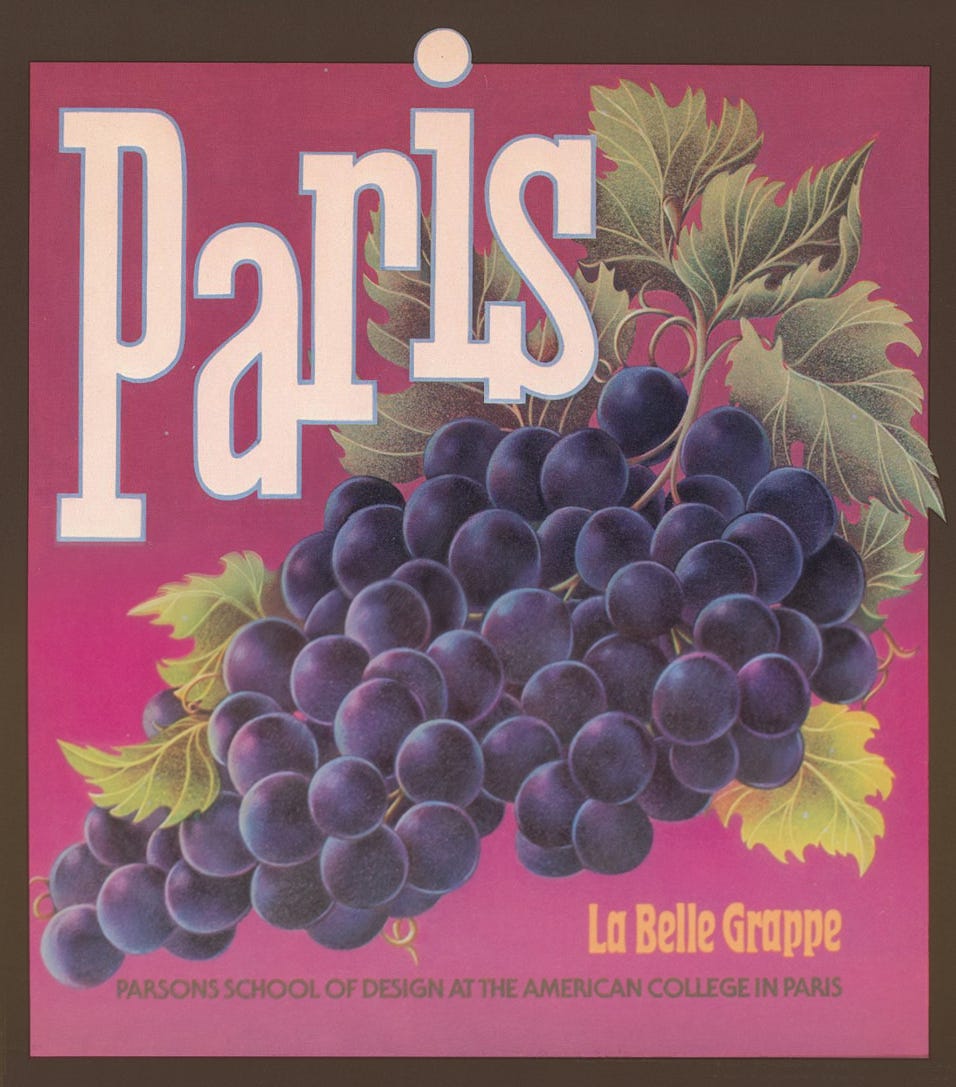
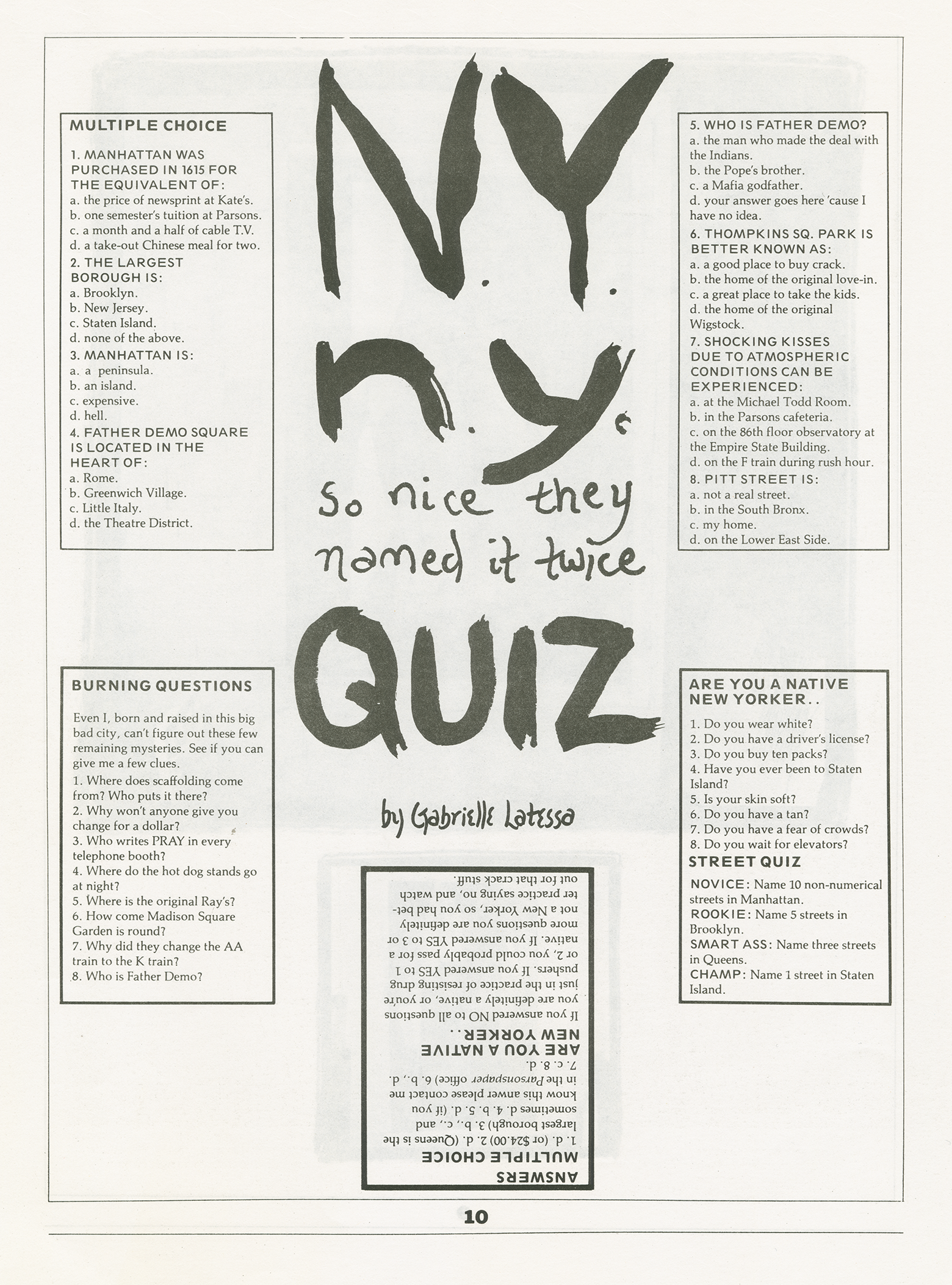
Over the course of the project, I looked at a lot of stuff. Much of it was found in person at The New School Archives and Special Collections. One of the most interesting finds ended up being ParsonsPaper, the school’s now-defunct student newspaper, which included incisive writing about being an art student—often openly questioning administrative decisions—as well as delightfully strange design and editorial illustrations. Even though I wasn't looking for anything specific, I still found things I didn't expect. One notable easter egg was the frequent appearance of apples (as in, “the Big Apple”) throughout older New School ephemera—it turns out that the fruit was used as an unofficial Parsons emblem for decades, with grapes similarly standing in for Parsons Paris and oranges for former sister-school Otis College of Art and Design in LA.
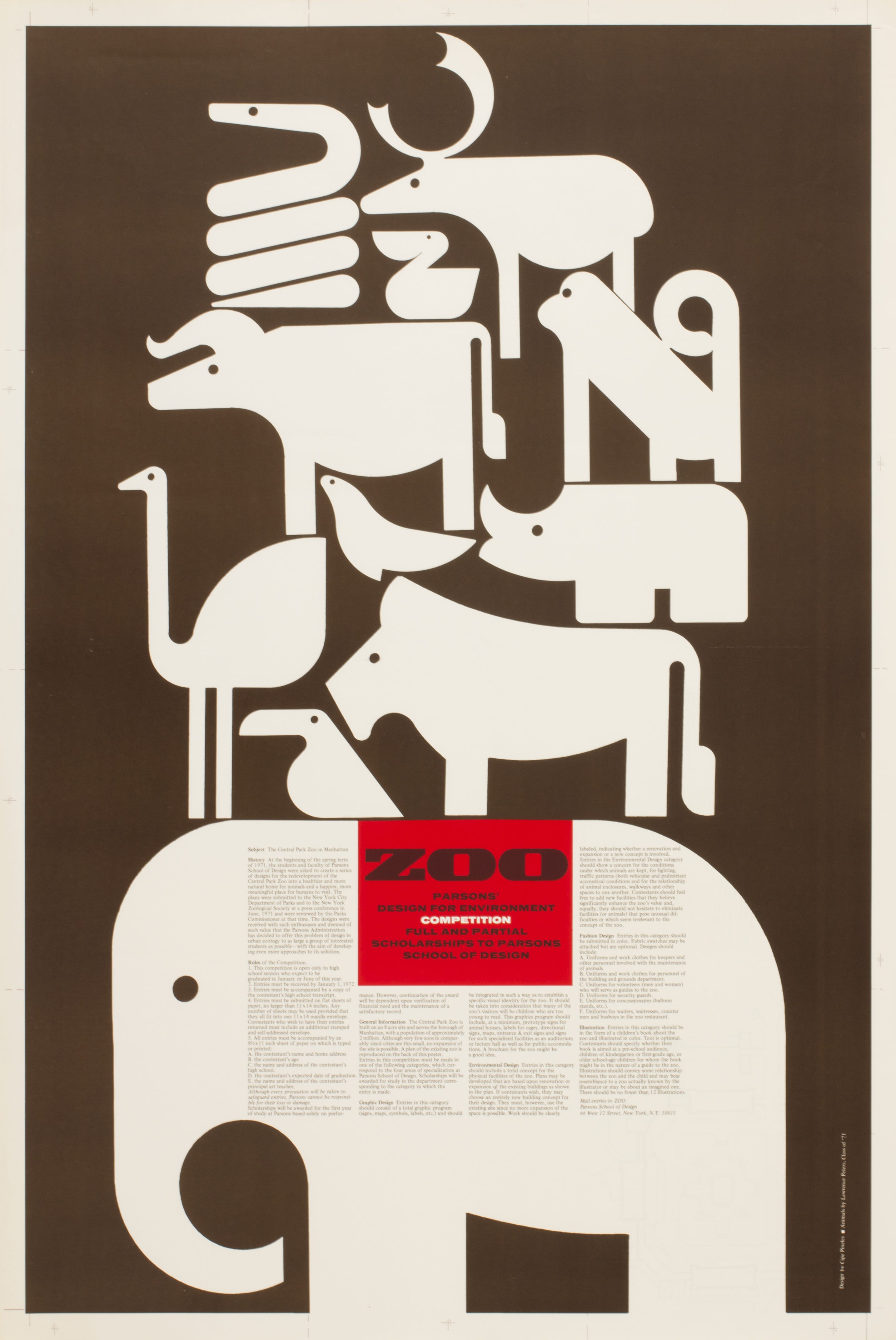
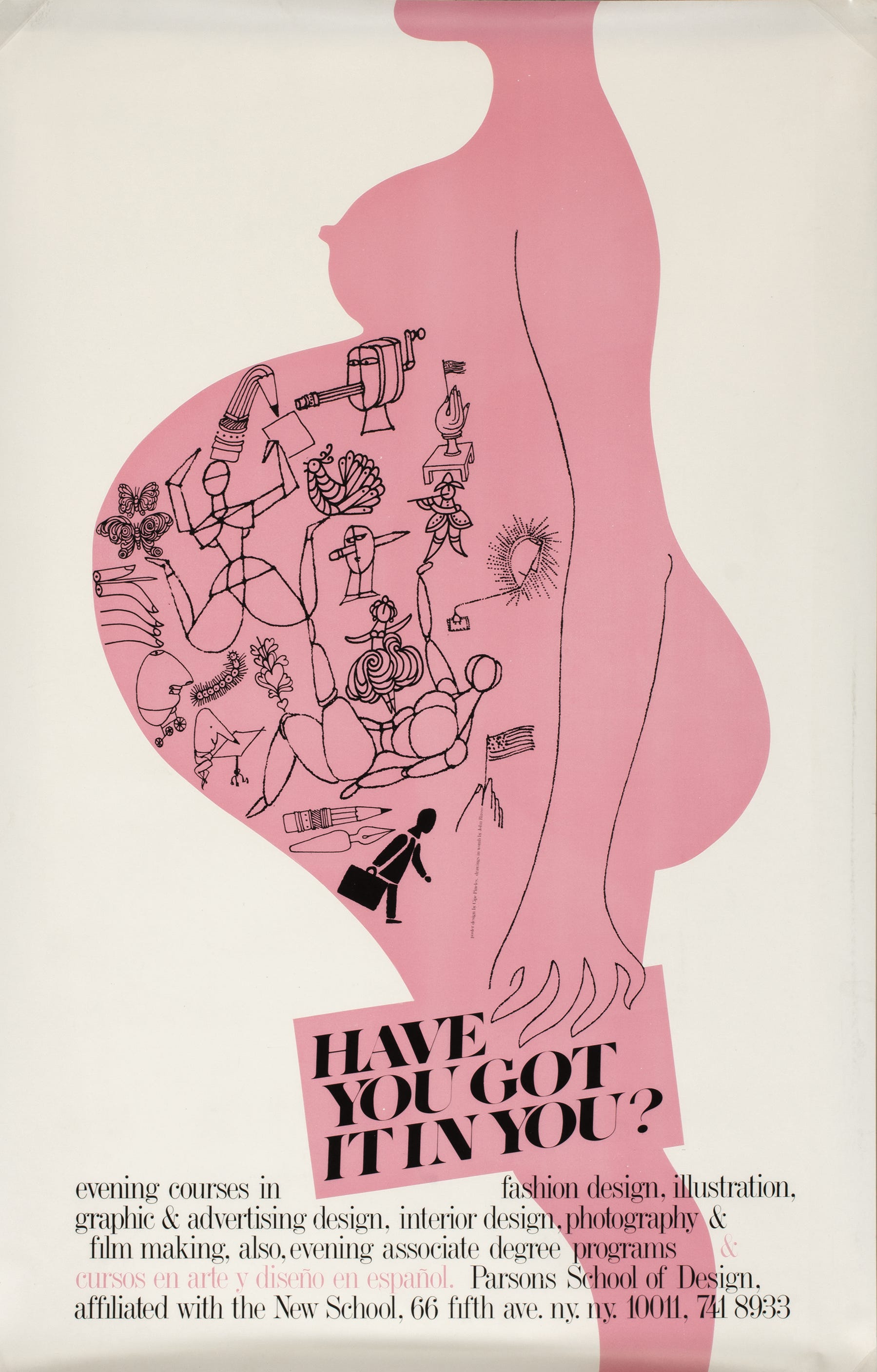
I was especially delighted to discover how much work by one of my favorite designers, Cipe Pineles, was in the archive (apples and all). Pineles was an illustrator, designer, editor, and art director who taught at Parsons in the 1960s and 70s, and someone who leaned heavily on collecting and historical sourcing in her work (she was also one of the first female art directors to work at a major magazine and a notoriously good cook). We love a kindred spirit!
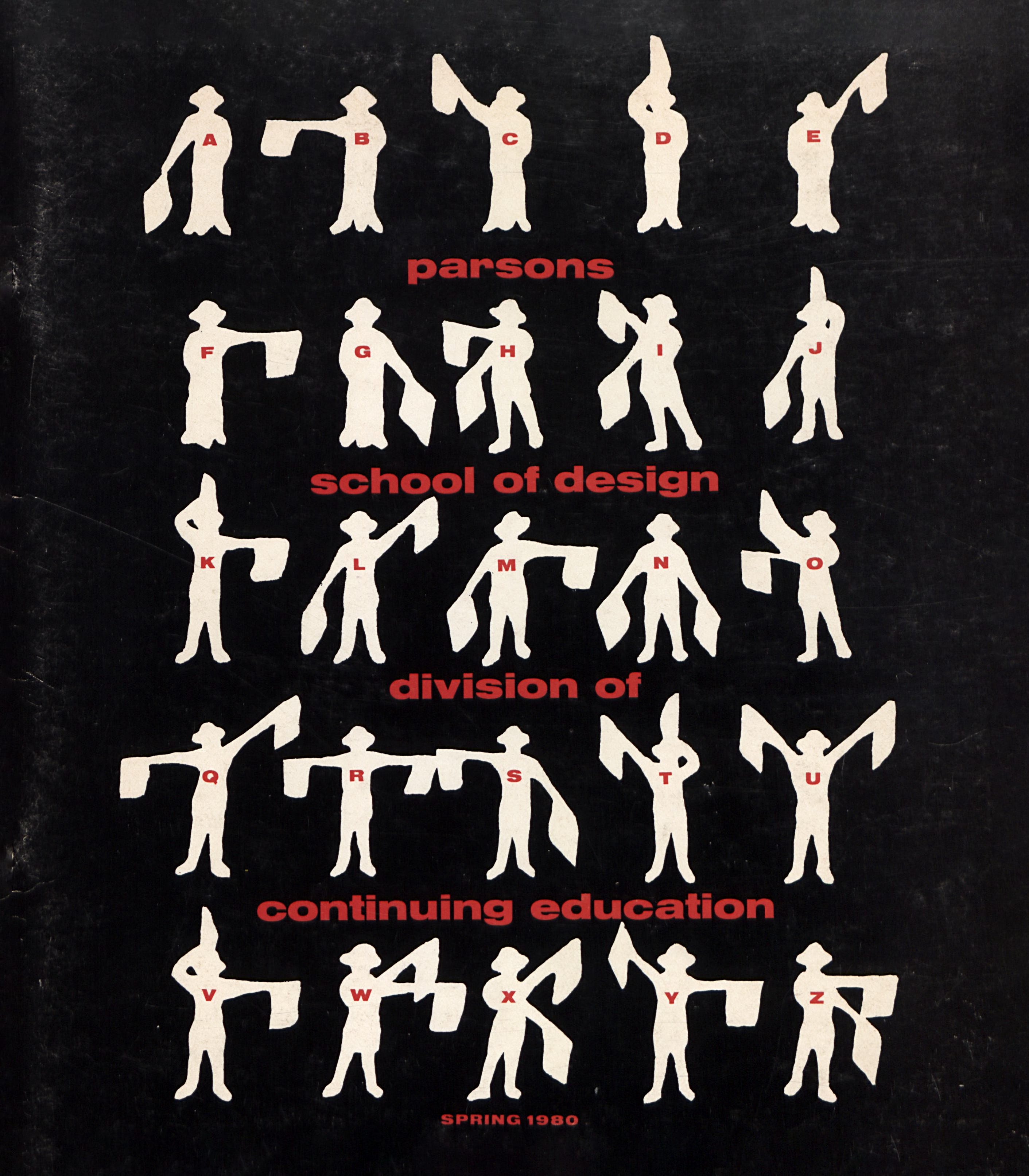
A lot of what I found ended up in the final publication. To wit, the cover I designed for the book was built entirely from archival material; I collected 105 references—a nod to the book's title—and individually footnoted all of them, making the jacket an illustration and a miniature archive in its own right. Sadly, while a 50 page introduction is long, it’s still not enough room for everything cool I came across. As such, please enjoy some of my favorite discoveries below from Parsons-past that never found a home in print.
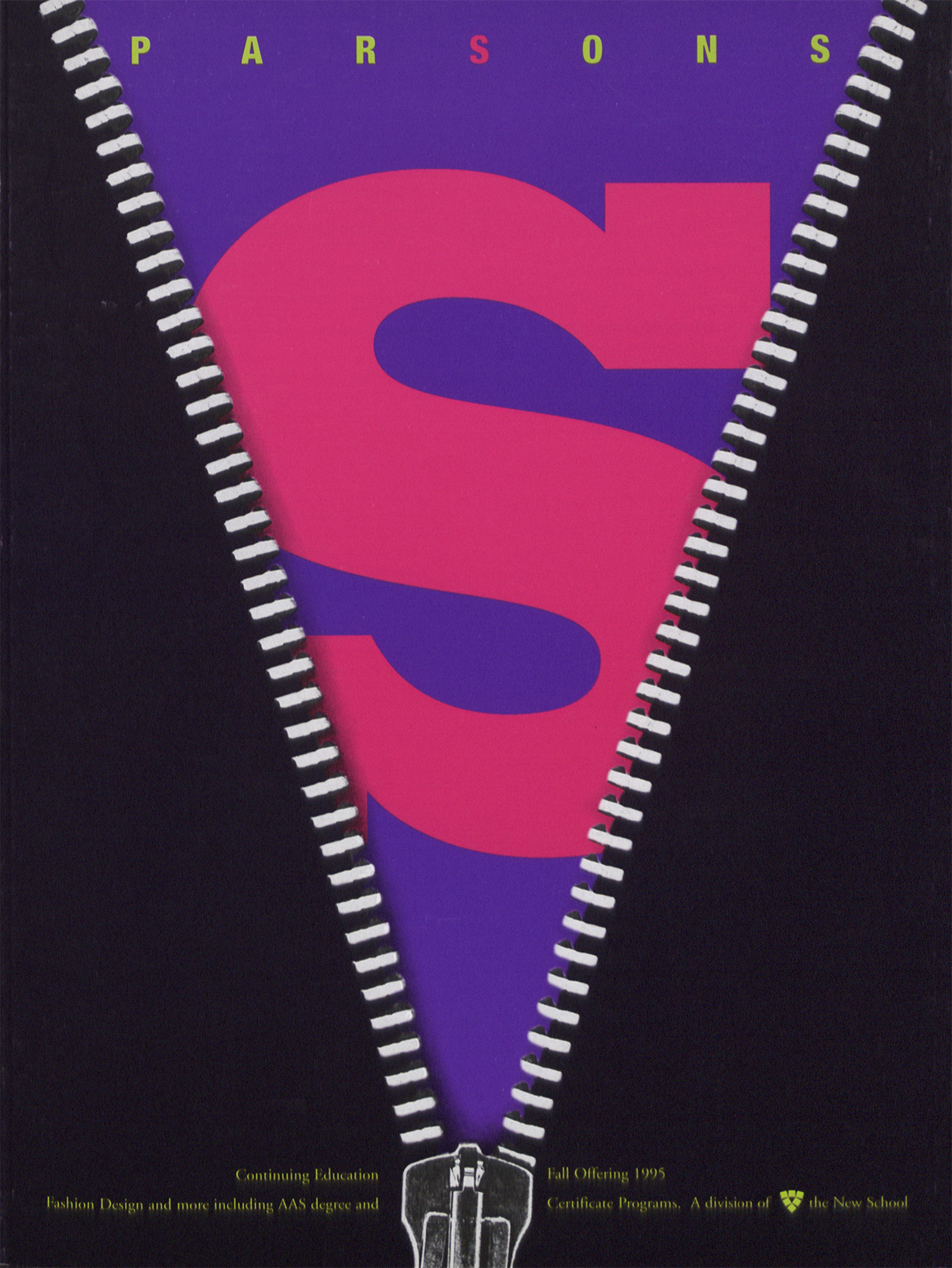
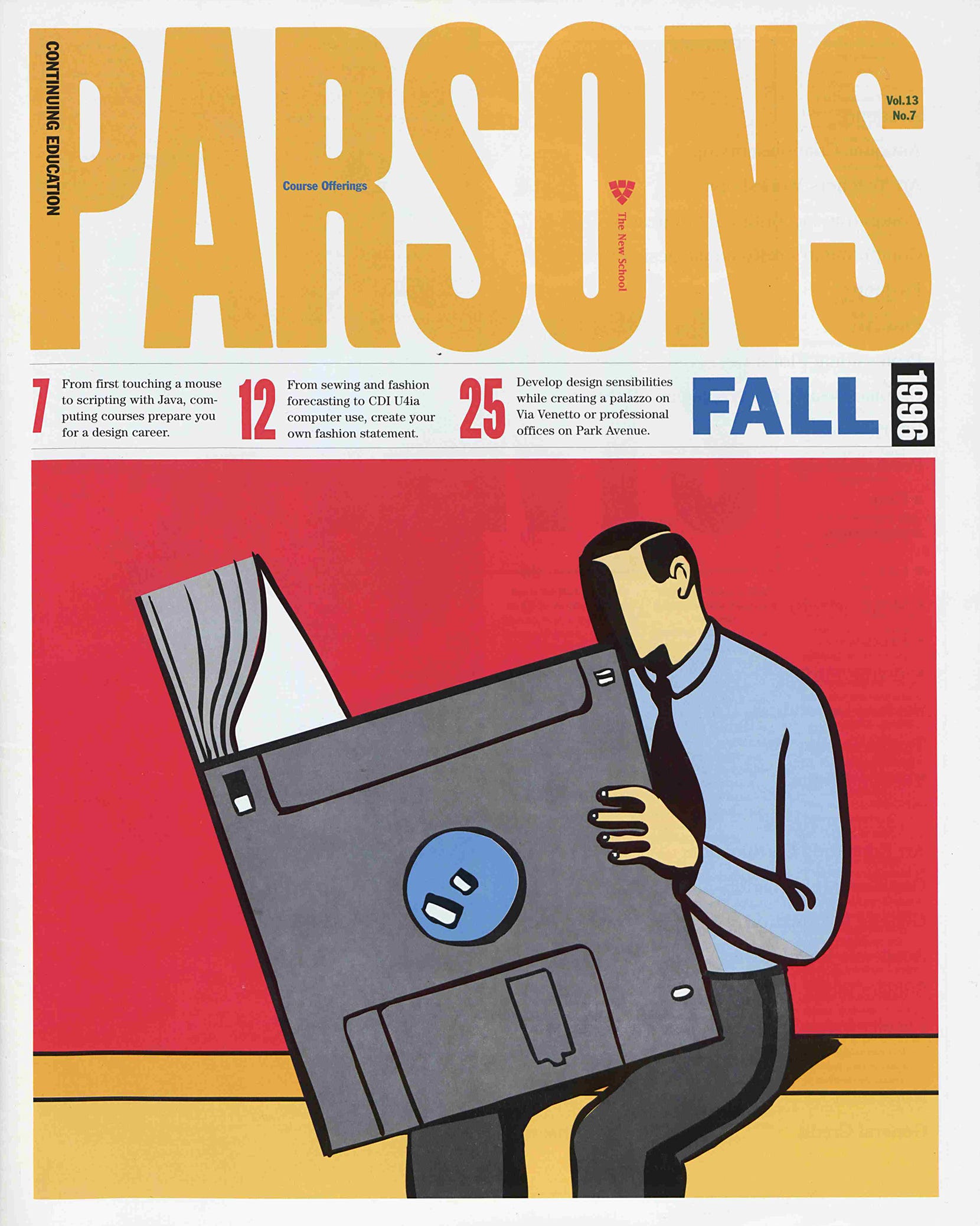
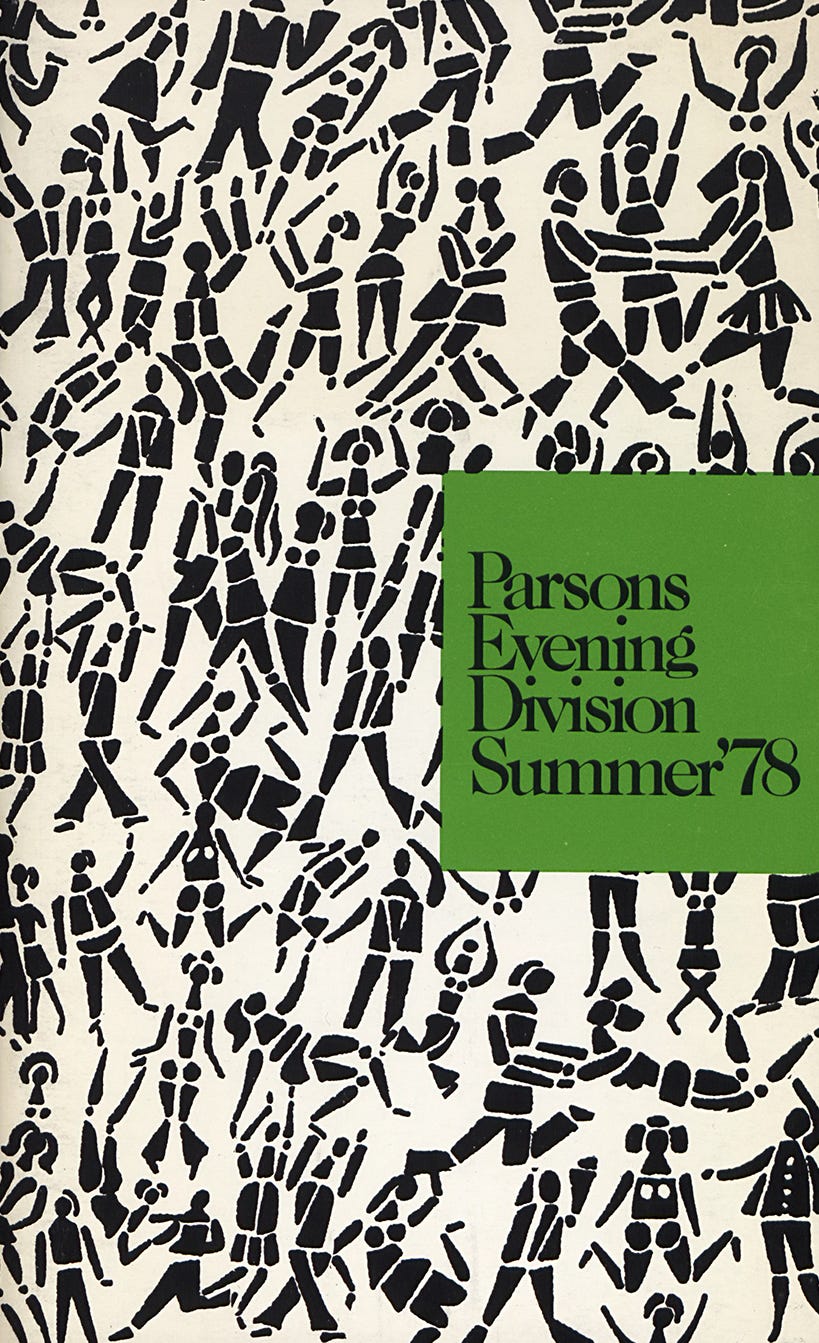
If you’d like to learn more about Framework 105, you can read my full case study of the book or buy it here! My introduction combines student interviews, archival research, and four new essays to explore how students past and present think about art school, creative work, AI, and life after graduation—the second half of the book includes work by graduating students. Congrats to them!

These are great!
Love these! Thank you.