

Spine-Tingling
I’ve always had a soft spot for design made by non-designers. When I tell people this, they usually think I’m talking about punk flyers, or the kind of sweetly naive drawings of fruit that one might find in a church cookbook. While I do love both of these things, and other things like them, this is not what I’m talking about when I say “design made by non-designers.” What I have in mind is far more banal—something closer to visual debris, the less-than-ephemera produced by ordinary people during the course of their daily life. Manila folders scrawled with Sharpie, post-it note grocery lists, WordArt on printer paper (ideally stuffed into a frosted binder sleeve and taped to the side of a bodega freezer). If cookbook marginalia is akin to folk art, this stuff is closer to outsider art—information delivered by people with absolutely zero formal design training besides the odd elementary school typing class.
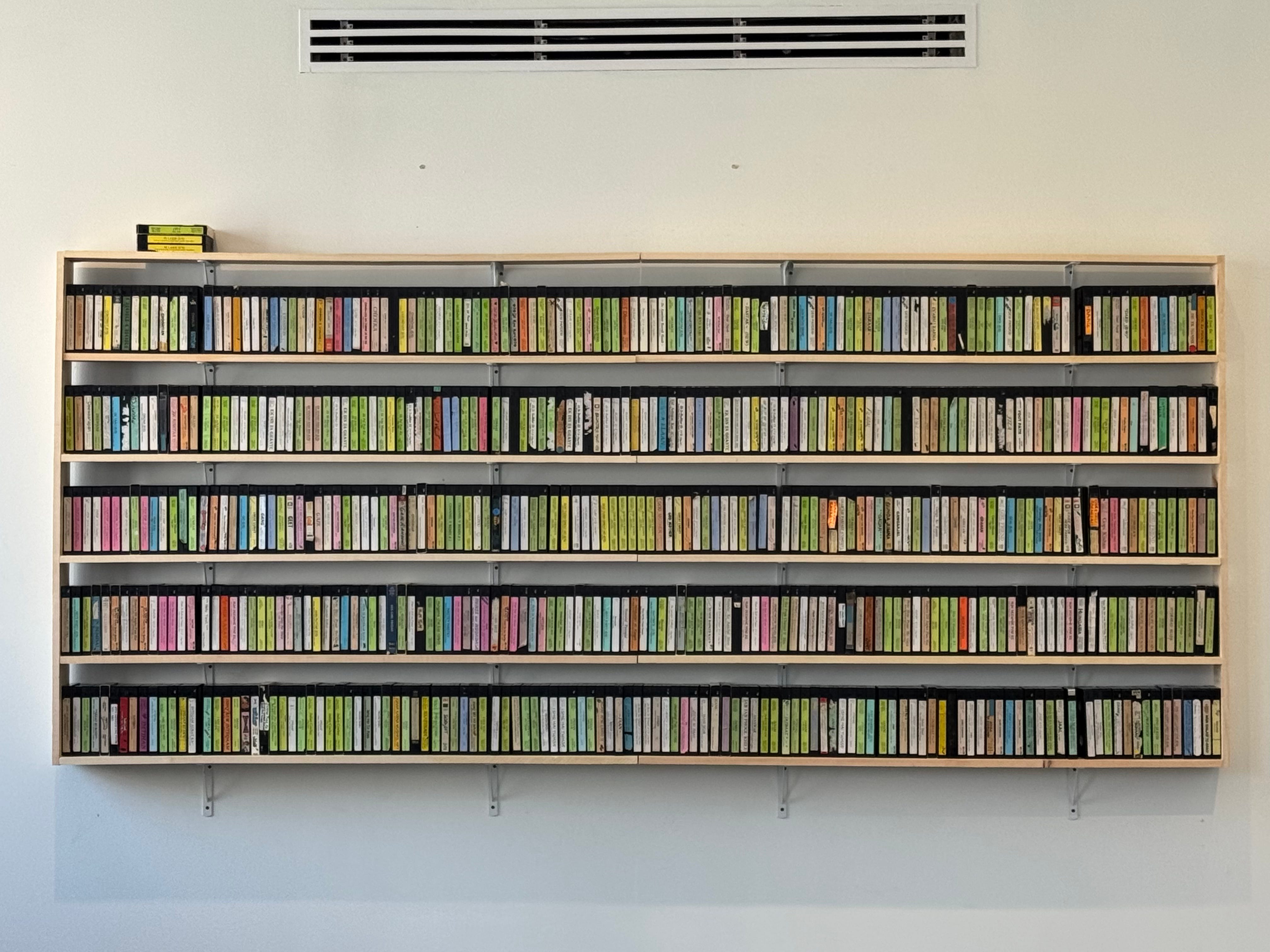
Sadly, amateur design is a dying art form, despite non-designers making up 99.975% of the global population (graphic designers account for a measly 0.025% of the population, an amount just below the number of Walmart employees worldwide). That makes it all the more magical when I stumble across a true piece of outsider design. This brings me to the subject of today’s newsletter: a collection of roughly 600 bootleg Bollywood VHS tapes, discovered in the basement of my favorite Indian restaurant by my friend Ben Sisto. As soon as I saw their spines, I was obsessed. I love the mix of saltwater taffy colors, the astoundingly default typography, and the hearts, flowers, and ASCII-esque stars periodically added to punch up the otherwise utilitarian Times New Roman titles.
As Ben’s collaborator, Sandy Dahari, points out, these tapes also nod to a very particular moment for the South Asian diaspora. Before many of these films were available on DVD and long before streaming was even a twinkle in Netflix’s eye, bootleg VHS tapes were the only practical way to access Bollywood and Lollywood’s golden age outside of India and Pakistan. Much of what makes the labels so appealing—their layers of masking tape, fluorescent stickers, crossed-out titles, rental codes, and successive owners' handwriting—is therefore simply a record of these tapes’ circulation, the graphic detritus left behind by decades of use.
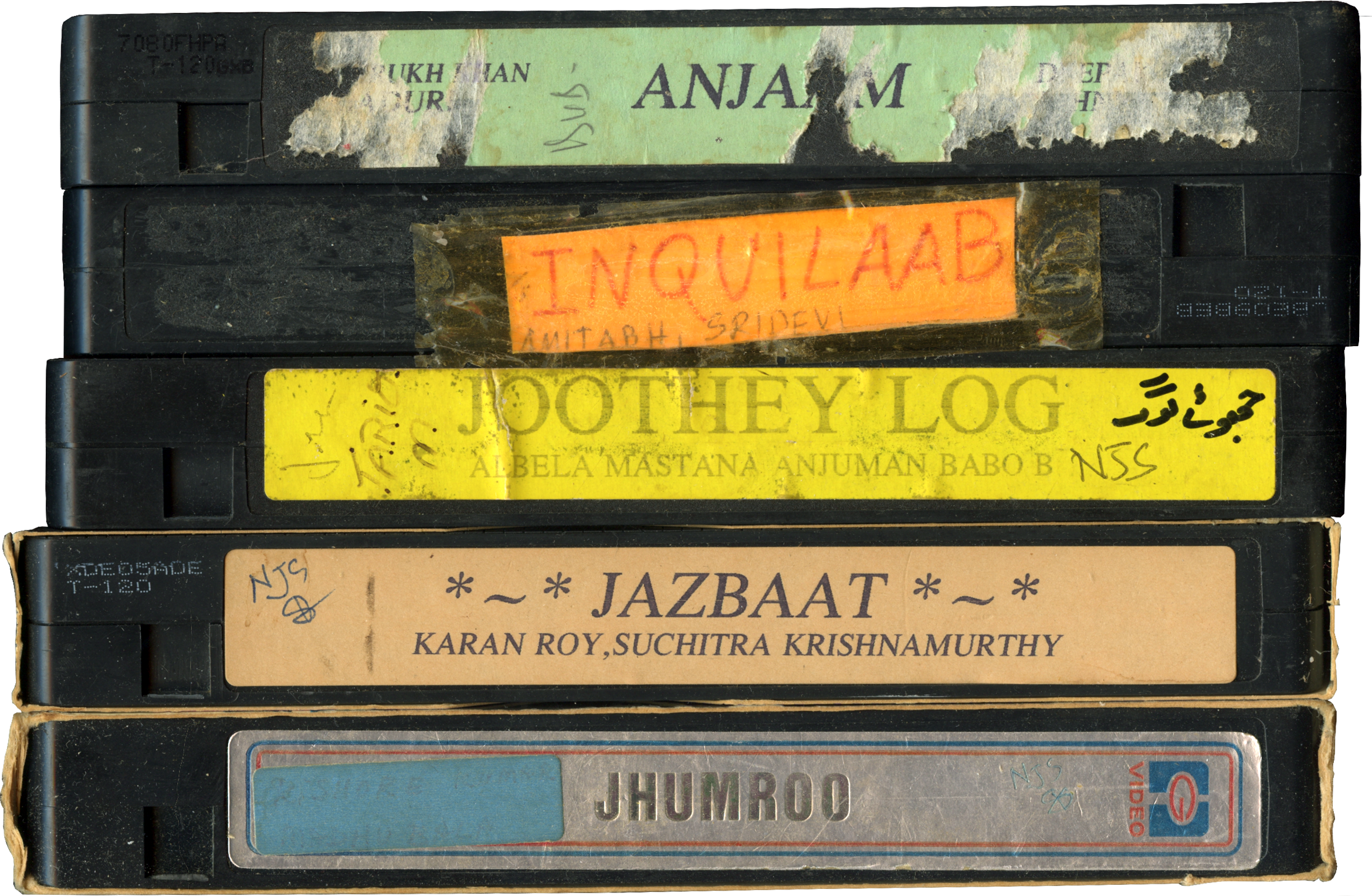
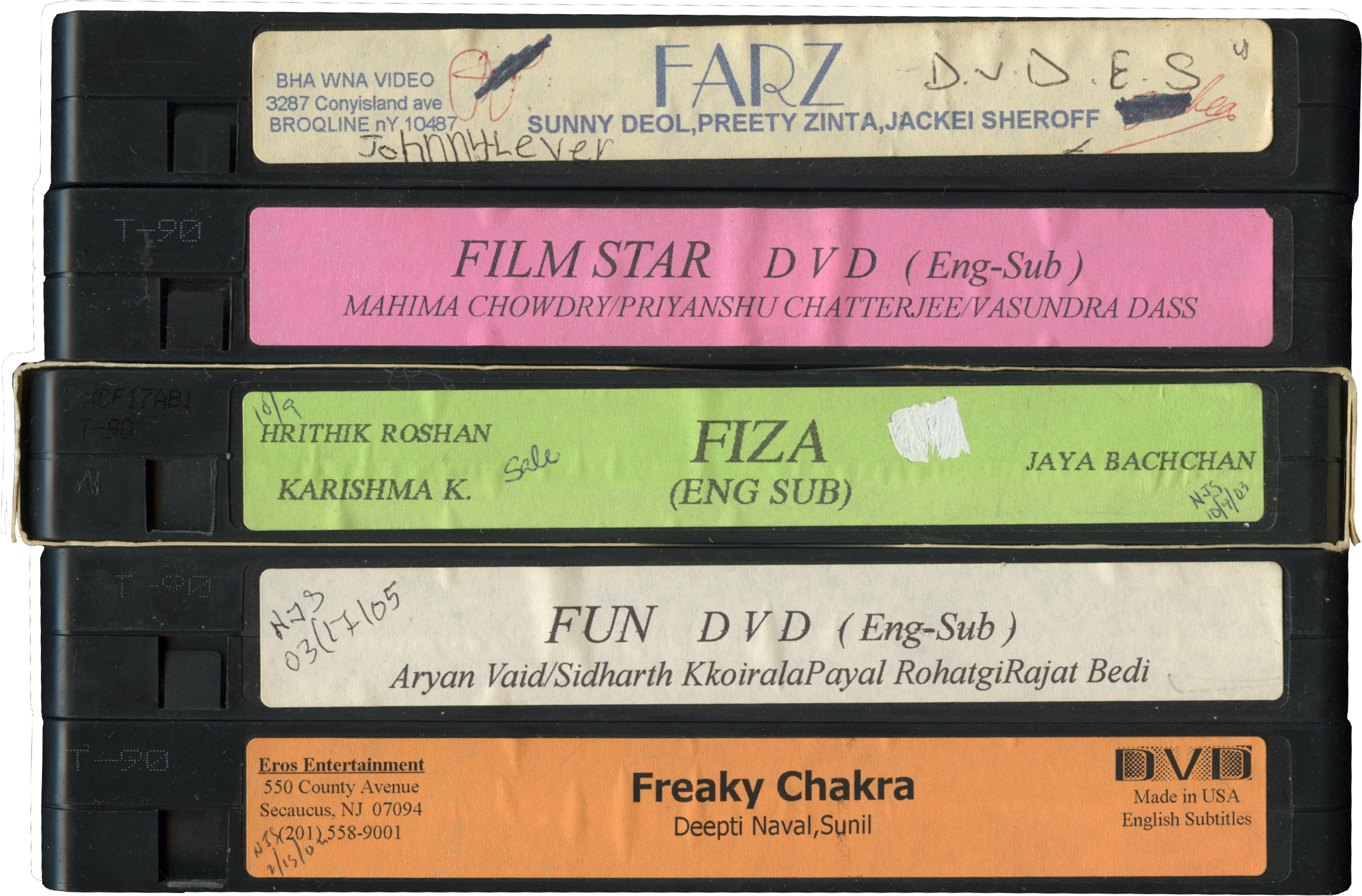
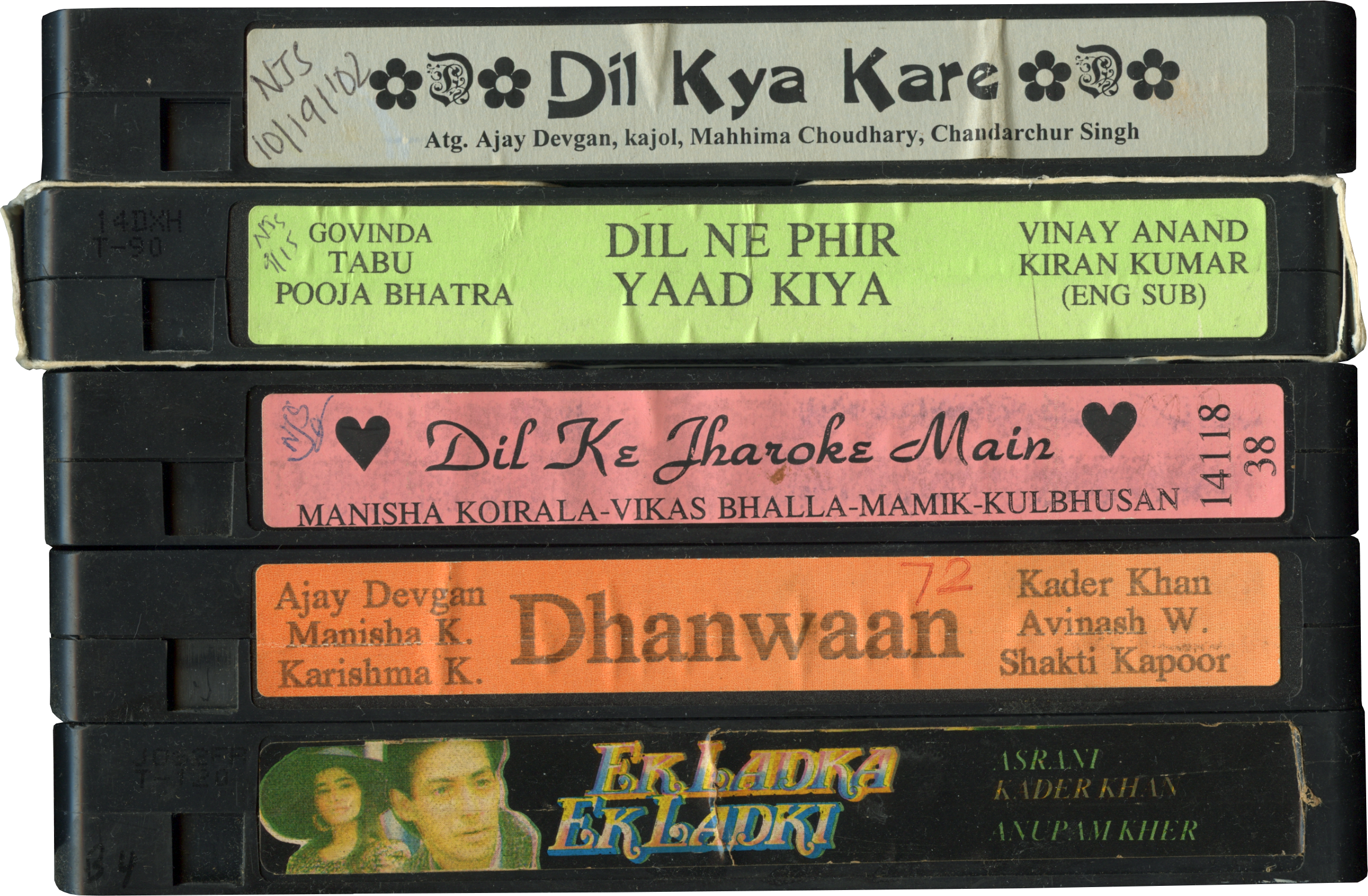
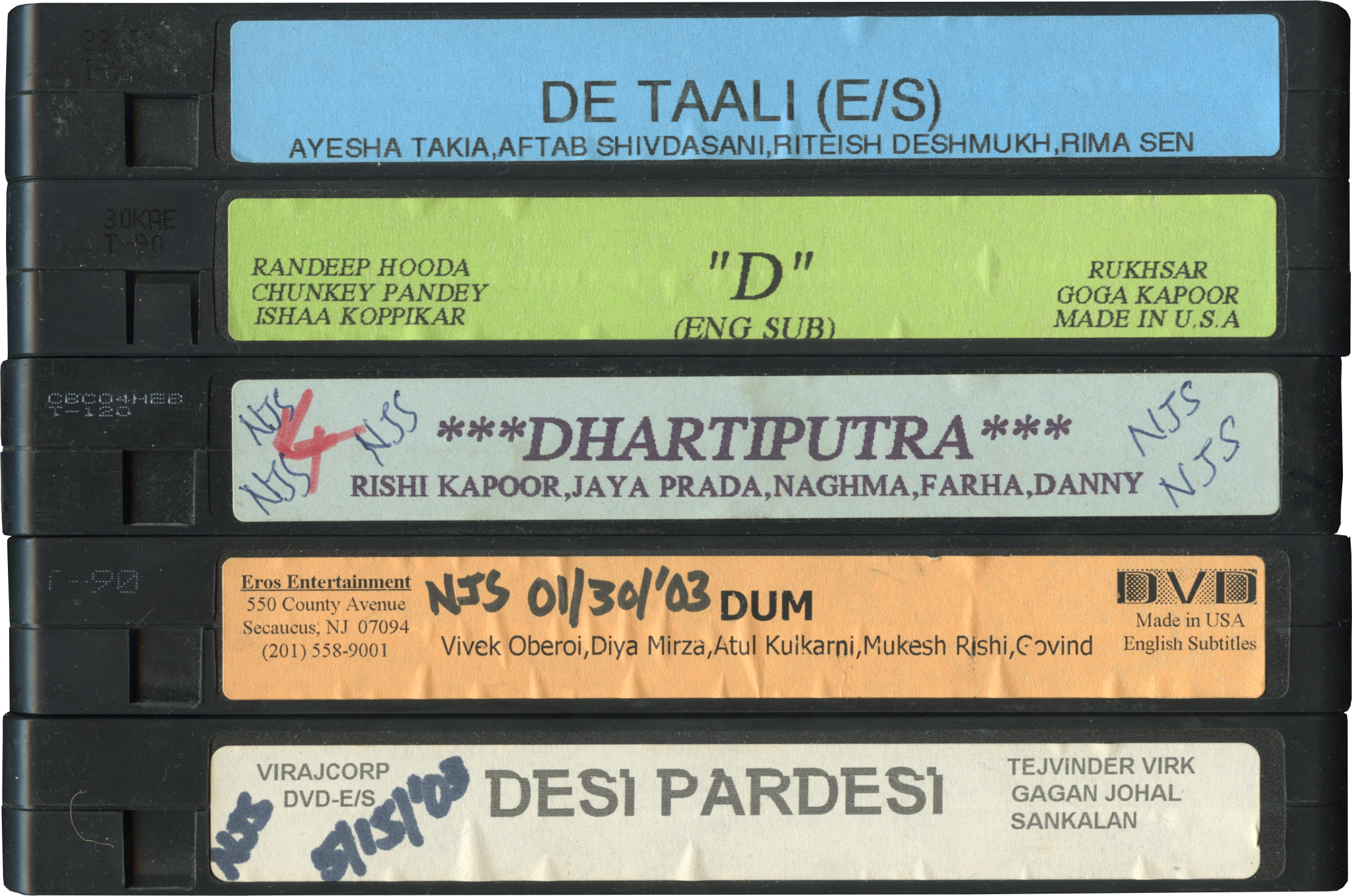
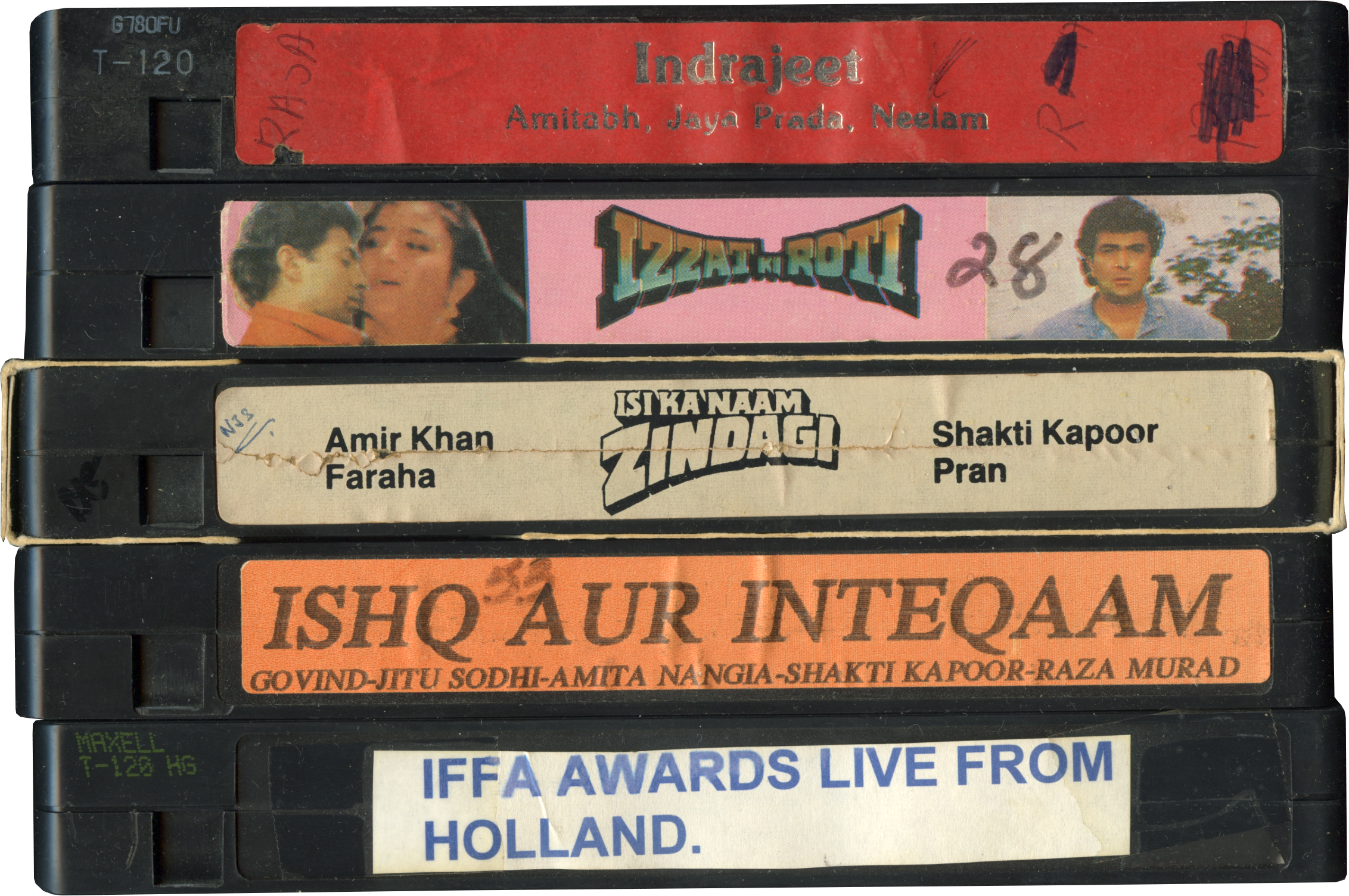
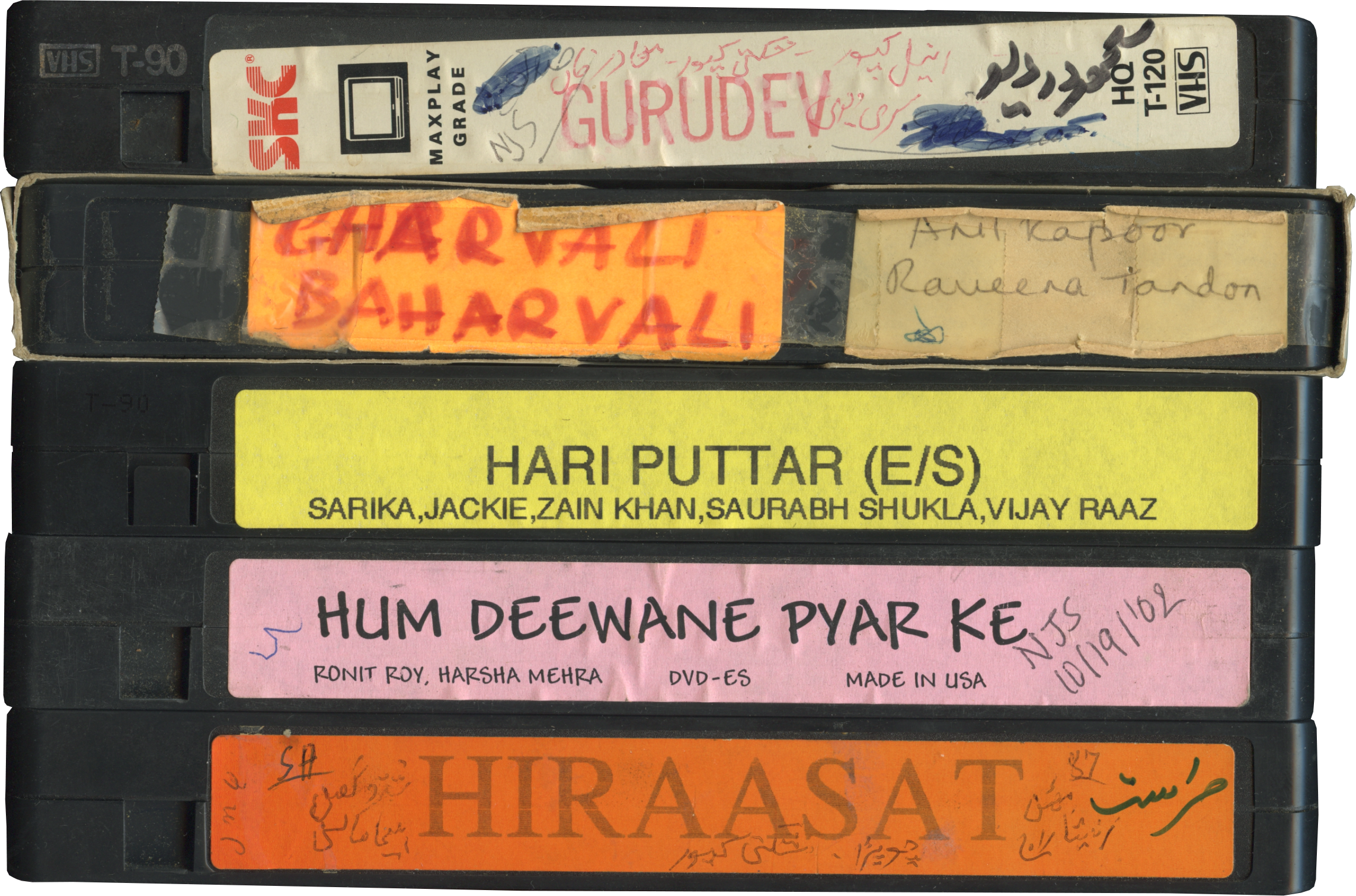
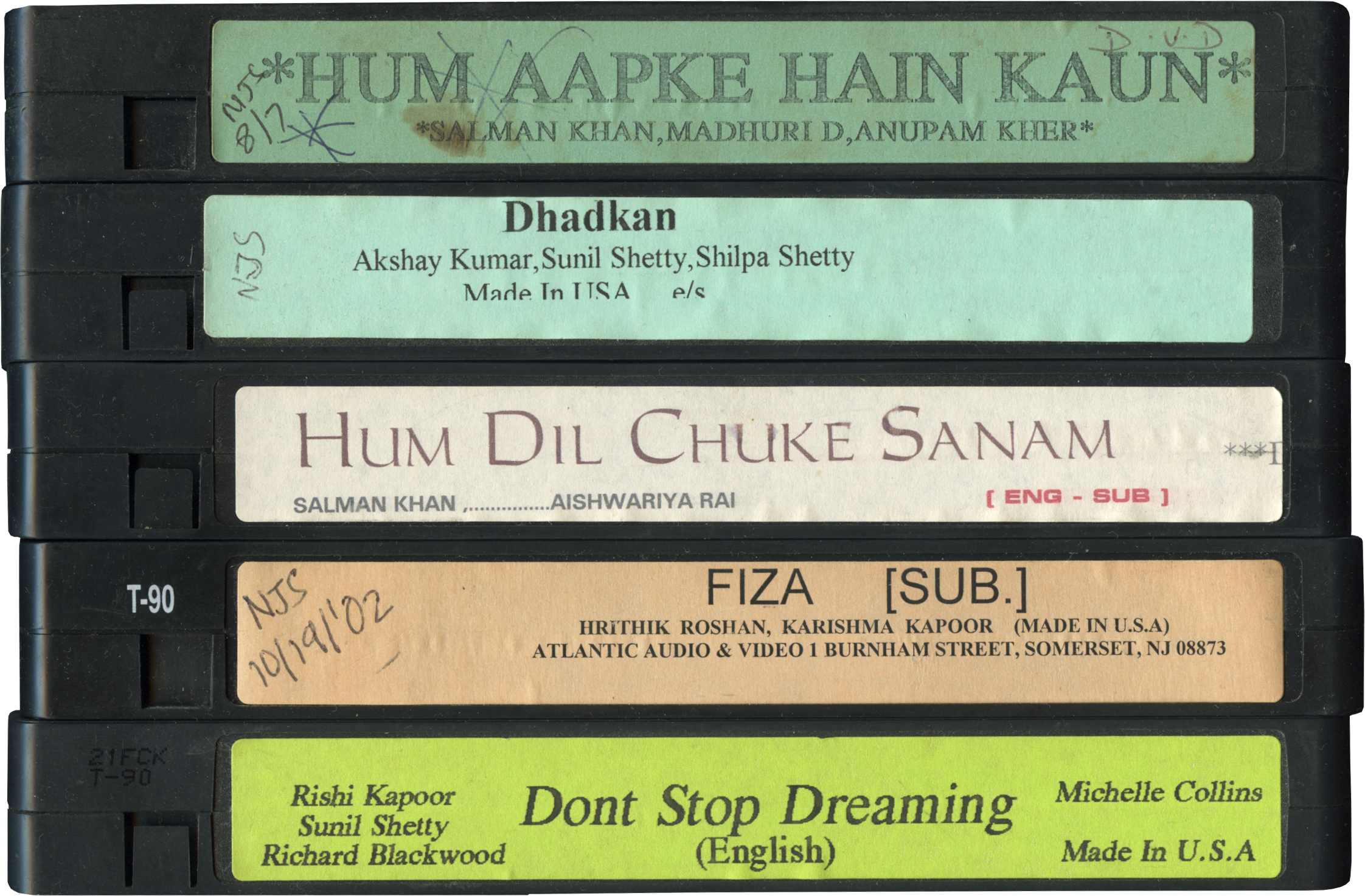
If you’re local to New England, you can watch some of the films above at the Providence Public Library (in the Joan T. Boghossian Gallery) as part of the installation Not Just Tapes, by Ben Sisto and Sandy Dahari. The opening reception for the show is TODAY (!) July 11th, from 1-3pm, and the tapes will be on display until August 15.
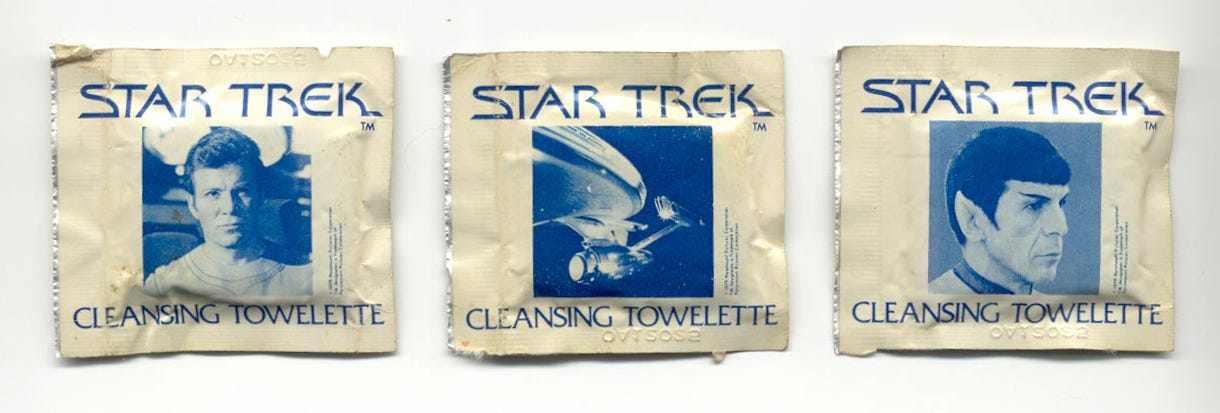
While we’re on the subject of truly obscure archival content: this issue’s featured archive is the online Moist Towelette Museum. Need I say more?
Love this so much. I also adore design by non-desingers. A while back I started an instragram account celebrating how they have their numbers on bins in the city - www.instagram.com/brumbins
I HAVE to say this...I did my MA at the Rhode Island School of Design and started an indie food publication out of there. It's called Dhoop Magazine https://dhoopmag.com/
RISD allowed me to be a non-designer designer, and I am so, so grateful for how it has opened my mind.